
close

February 2026

Technology

Smart Studios, Smarter Bodies: How Technology Is Reshaping the Pilates Reformer Experience in Singapore

Fitness technology has transformed almost every aspect of how people train, monitor, and understand their bodies. From heart rate monitors strapped to wrists to AI-generated training plans delivered through smartphone apps, the modern exerciser in Singapore has access to more performance data and personalised insight than any previous generation. Yet for many years, the world of Pilates remained a relative outlier in this technological shift, priding itself on the attentiveness of human instruction and the nuance of tactile correction over digital measurement.

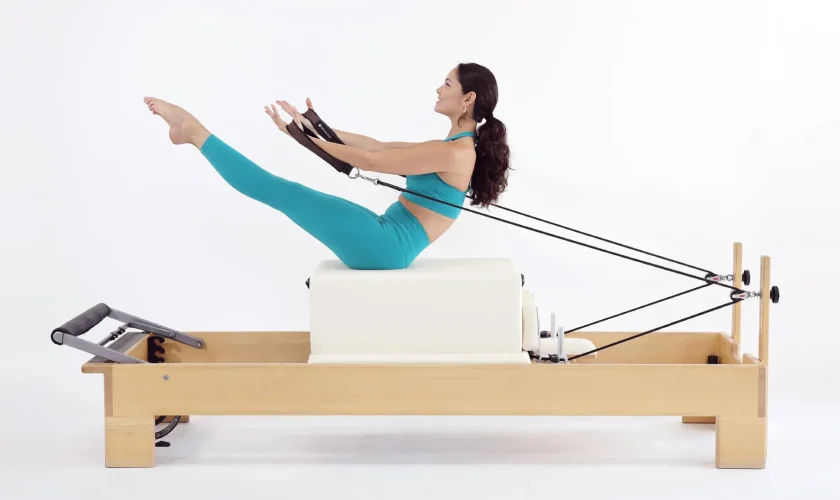
That gap is closing rapidly. The integration of technology into the pilates reformer experience is no longer a future scenario. It is actively reshaping how studios design sessions, how instructors identify technique errors, how clients track their progress, and how Pilates businesses operate in an increasingly data-literate fitness market. Singapore, with its high smartphone penetration, strong technology adoption culture, and discerning fitness consumer base, is at the forefront of this integration.

Movement Analysis Technology: From Eye to Algorithm

Traditionally, movement quality assessment in Pilates has depended entirely on the trained eye of an experienced instructor. This is a genuinely skilled ability developed over years, and it remains irreplaceable in many contexts. But human visual assessment has inherent limitations. An instructor teaching a class of eight people cannot simultaneously monitor the pelvic position, spinal alignment, foot placement, and breath pattern of every participant at every moment. Fatigue in a late-session exercise may go unnoticed until it has already produced a compensation pattern.

Computer vision and artificial intelligence are beginning to address these limitations. Movement analysis platforms using camera-based tracking can now monitor joint angles, movement velocity, symmetry ratios between left and right limbs, and alignment parameters in real time. In Reformer Pilates, this technology can be configured to flag when the lumbar spine moves out of neutral during footwork, when the pelvis rotates asymmetrically during leg press, or when the shoulder girdle elevates under load in the arm series.

This information can be displayed to the instructor on a monitoring screen, allowing them to provide targeted correction to specific clients without constantly scanning the room visually. It can also be shared with the client after the session as a movement report, providing tangible and objective evidence of what was performed well and where attention should be directed in future sessions.

Wearable Biofeedback in the Reformer Environment

Wearable technology has evolved significantly beyond simple step counting and heart rate monitoring. Electromyography-based wearables, which measure the electrical activity of specific muscles during exercise, are increasingly finding application in rehabilitation and performance training settings. In the reformer context, these devices can confirm whether the transversus abdominis and pelvic floor are activating appropriately during core-focused exercises, or whether the superficial abdominals are dominating.

This is particularly valuable in the early stages of reformer training, when clients are learning to access the deep stabiliser system and when the sensations of correct internal engagement are unfamiliar and difficult to distinguish from superficial muscle activity. Real-time biofeedback transforms this abstract instruction into visible, measurable data. When the display shows the deep stabiliser activating, the client can learn to recognise and reproduce the internal sensation that accompanies it. When the display shows the superficial muscles firing instead, the client has immediate and objective confirmation that the adjustment their instructor suggested is necessary.

Wearable pressure sensors designed for pelvic floor monitoring also have applications in the reformer setting, particularly for clients who are post-partum, perimenopausal, or managing pelvic floor dysfunction. These devices can confirm whether the pelvic floor is coordinating with the diaphragm and transversus abdominis during the breath-movement sequences that are central to Reformer Pilates methodology.

Smart Reformer Equipment: The Connected Machine

The reformer machine itself is becoming smarter. Next-generation reformer designs are beginning to incorporate embedded sensors that measure carriage velocity, spring resistance calibration, force distribution across the footbar, and the duration and consistency of each repetition. This data stream allows for a level of session quantification that was previously impossible.

For studios, connected reformer equipment provides aggregate data on how different client populations are using the machines, which spring configurations are most commonly associated with technique errors, and which exercises show the highest variability between clients. This information can inform curriculum design and instructor training in ways that pure observational experience cannot.

For individual clients, the data from a smart reformer session can be synced to a training app, allowing progress to be tracked across sessions with objective metrics rather than subjective memory. A client who has been working to improve left-right symmetry in their footwork over three months can see their symmetry ratio trending toward balance, providing the kind of concrete progress evidence that sustains motivation through the plateau periods that are a normal part of physical development.

App-Based Class Management and Personalised Programming

Studio management technology has transformed the administrative and client-facing dimensions of the Reformer Pilates business. Booking systems that were once managed through phone calls and paper schedules are now sophisticated digital platforms that track attendance history, preferred class times, instructor preferences, and membership status. But the more significant development is the emergence of app features that extend the studio-client relationship beyond the session itself.

Progressive studios in Singapore are beginning to offer app-based supplementary content including technique video libraries keyed to the exercises clients have been introduced to in class, guided at-home movement practices that complement reformer session work, and personalised focus notes from instructors delivered through the app following each session. This extends the value of each reformer session and supports the neuromuscular learning process between studio visits.

The data collected through app interactions also allows studio operators to identify which clients are engaging regularly, which are at risk of dropping attendance, and which may be ready to progress to more advanced class formats. This enables proactive client communication that feels personalised rather than automated, which is critical in a high-touch service environment like boutique fitness.

Virtual and Hybrid Reformer Instruction

The COVID-19 period accelerated experimentation with virtual fitness delivery across all modalities, with mixed results. For Reformer Pilates specifically, the limitations of virtual instruction became immediately apparent: without a reformer at home, clients could not replicate the session, and the tactile correction that is fundamental to reformer instruction cannot be delivered through a screen.

However, hybrid models have emerged that leverage technology more intelligently. Live-streamed reformer classes with camera angles specifically configured to show technique from multiple perspectives allow remote participants with home reformers to follow along with a degree of instruction quality that early virtual formats could not provide. Pre-recorded technique libraries, delivered through studio apps, allow clients to revisit cuing and instruction between sessions in a format that reinforces in-studio learning.

For studio-based sessions, technology that allows clients to record brief clips of specific exercises for technique review later, or to receive annotated video feedback from instructors after sessions, is bridging the gap between the in-room instruction moment and the ongoing learning process.

Data Privacy and the Ethics of Fitness Technology

As fitness technology in the reformer environment becomes more sophisticated, data privacy considerations become correspondingly important. Movement data, biometric information, health history details, and attendance patterns all represent sensitive personal information. Studios that collect this data have an obligation to handle it in accordance with Singapore’s Personal Data Protection Act and to be transparent with clients about what is collected, how it is stored, and how it is used.

The most trustworthy studios in Singapore’s Reformer Pilates landscape are those that treat data privacy not as a compliance checkbox but as a genuine dimension of client trust. Technology should serve the client’s development and safety, and clients should always have visibility into and control over their personal data.

Yoga Edition integrates technology thoughtfully into its studio experience, combining the irreplaceable quality of skilled human instruction with digital tools that extend client service and enhance outcome quality, always with a client-centred approach to how information is handled and used.

FAQ

Q: Do I need any wearable devices or special equipment to attend a tech-enabled Reformer Pilates class in Singapore?

A: In most cases, no. The technology used within the studio environment, including movement tracking systems and smart reformer equipment, is provided and managed by the studio. Clients typically need only a smartphone to access the studio’s booking and supplementary content app. Some studios may offer optional wearable device integration for clients who want additional biometric data, but this is generally not required for participation.

Q: How accurate is AI movement analysis compared to an experienced human instructor?

A: Current AI movement analysis systems are highly accurate for detecting gross alignment deviations and asymmetries, particularly when camera angles are optimised for the specific exercises being performed. However, they cannot replicate the full scope of an experienced instructor’s assessment, which integrates visual information with auditory cues, tactile feedback, and the clinical reasoning that comes from years of working with diverse bodies. The most effective application of AI movement analysis is as a complementary tool that enhances instructor capacity rather than a replacement for human expertise.

Q: I am concerned about my movement data being recorded during sessions. What should I ask a studio before enrolling?

A: Reasonable questions to ask include: what data is collected during sessions, how it is stored and for how long, whether it is shared with third parties, how you can access or delete your data, and what security measures protect it. A reputable studio should be able to answer these questions clearly and should have a published privacy policy aligned with Singapore’s Personal Data Protection Act requirements.

Q: Can technology help me progress faster in Reformer Pilates compared to traditional instruction alone?

A: The evidence from movement science research suggests that real-time biofeedback accelerates motor learning for complex movements, which is exactly what Reformer Pilates involves. Being able to see objective data confirming when you are executing a movement correctly, rather than relying solely on sensory feedback that may be unreliable in the early stages of learning, can meaningfully reduce the time needed to develop consistent technique. Technology does not replace the quality of instruction but can enhance the efficiency with which instruction translates into embodied skill.

Q: Are there any Reformer Pilates apps available in Singapore for home practice between studio sessions?

A: Several global Pilates platforms offer app-based content that includes reformer-adjacent bodyweight programming for between-session practice. Additionally, some Singapore studios have developed proprietary app content for their members. The most effective approach combines studio-specific supplementary content, which is calibrated to the exercises and progressions you are working through in class, with the core sessions themselves. Ask your studio whether they provide any digital content as part of your membership.

read more
Technology

How Fitness Technology Is Changing the Gym Experience in Singapore

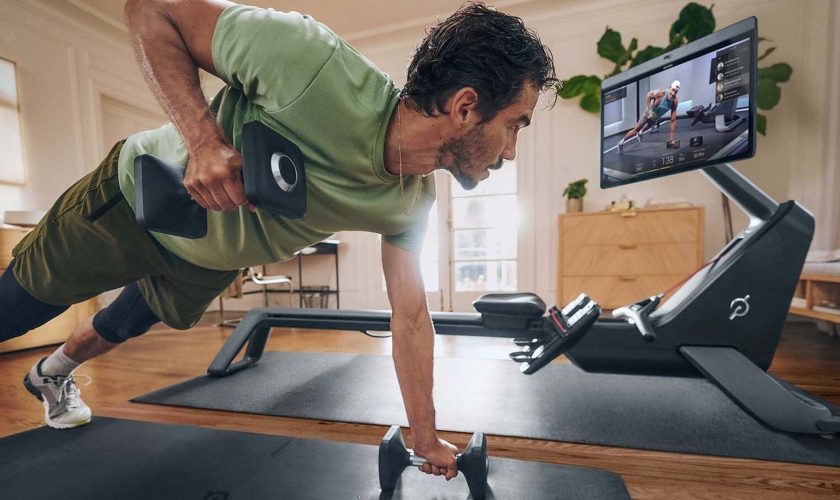
Singapore has built its national identity in part around technological leadership. The Smart Nation initiative, world-class digital infrastructure, and a population with among the highest rates of smartphone penetration and wearable device adoption in Asia have created a population uniquely positioned to benefit from the intersection of technology and personal health. For Singapore gym-goers, fitness technology has moved well beyond the novelty phase. At a well-equipped gym Singapore members train at today, technology is integrated into the experience at multiple levels, from how sessions are booked to how body composition is tracked, how performance data is collected, and how personal training is personalised. Understanding what is available and how to use it purposefully separates gym-goers who drift from those who progress consistently.

InBody Analysis: From the Scale to Real Data

The bathroom scale is one of the most misleading tools in fitness. It tells you your total mass but cannot distinguish between fat, muscle, water, and bone. A gym-goer who is losing fat and gaining muscle simultaneously may see no change on the scale while their body composition is improving significantly. Conversely, someone who is losing muscle through crash dieting may see the scale move favourably while their metabolic health deteriorates.

InBody analysis, available at established Singapore gyms, uses bioelectrical impedance analysis (BIA) to provide a detailed breakdown of body composition that a scale cannot offer. An InBody assessment takes approximately 60 seconds and produces a report including:

  • Total skeletal muscle mass and segmental muscle distribution across the arms, trunk, and legs
  • Body fat mass and body fat percentage
  • Visceral fat level, which is the fat surrounding internal organs and a key metabolic health indicator
  • Total body water including intracellular and extracellular fluid distribution
  • Basal metabolic rate estimate based on lean mass

For Singapore gym-goers, the value of InBody analysis is in tracking change over time rather than interpreting a single reading in isolation. Repeating the assessment every four to eight weeks under consistent conditions, same time of day, same hydration state, creates a data record that reveals whether training and nutrition are producing the desired body composition changes regardless of what the scale shows.

Visceral fat tracking in particular is one of the most clinically relevant outputs for Singapore’s population given the city’s elevated rates of metabolic syndrome and type 2 diabetes. Visceral fat responds well to consistent exercise and dietary improvement, and InBody tracking makes this change visible in a way that external appearance often does not.

Wearable Technology: How Singapore Gym-Goers Are Training Smarter

Singapore’s wearable adoption rate is among the highest in Southeast Asia. Apple Watch, Garmin, Polar, Whoop, and Oura Ring are common sights in Singapore gyms, and the data these devices generate is increasingly being used purposefully rather than passively collected and ignored.

Heart rate monitoring The most fundamental use of wearable technology in training is heart rate monitoring during exercise. Training in specific heart rate zones determines the physiological adaptation the session produces. Zone 2 training, 60 to 70 percent of maximum heart rate, primarily develops aerobic base and fat oxidation capacity. Zone 4 and 5 training, 85 to 100 percent of maximum heart rate, targets cardiovascular capacity and VO2 max. Without heart rate data, intensity is a guess. With it, intensity becomes a training variable that can be precisely managed.

Heart Rate Variability (HRV) HRV is the variation in time intervals between successive heartbeats. It is a reliable indicator of autonomic nervous system balance and recovery status. When HRV is high, the parasympathetic nervous system is dominant, which correlates with good recovery and readiness for high-intensity training. When HRV is low, the sympathetic nervous system is dominant, often indicating accumulated fatigue, illness, or stress.

Singapore gym-goers using devices that track HRV, particularly Whoop and Garmin’s training readiness feature, can make data-informed decisions about when to push hard and when to back off or focus on recovery work. For Singapore’s overworked professional population, where distinguishing between productive training stress and counterproductive overreaching is genuinely challenging, HRV provides an objective signal that reduces guesswork.

Sleep tracking Sleep is where physical adaptation primarily occurs. Muscle protein synthesis, hormonal restoration, and neural consolidation of skill patterns all happen predominantly during deep and REM sleep stages. Singapore’s population consistently under-sleeps relative to requirements, and wearable sleep tracking makes this deficit visible rather than abstract.

Tracking sleep quality alongside training performance allows gym-goers to observe the direct relationship between sleep and session output, a connection that motivates better sleep hygiene in a way that general advice about sleep importance rarely does.

App-Based Class Booking and Training Consistency

One of the most practically impactful pieces of fitness technology for Singapore gym-goers is the ability to book group fitness classes through apps or digital platforms in advance. This might seem mundane compared to body composition scanners and HRV monitors, but the behavioural impact is significant.

Pre-booking a class creates a form of commitment that open gym access does not. When you have reserved a spot in a 7am cycling class that fills up, you face a specific social cost from not attending that simply visiting the gym floor does not replicate. Research on behaviour change consistently shows that implementation intentions, concrete plans about when, where, and how you will act, dramatically improve follow-through compared to vague intentions.

Singapore’s gym class booking platforms allow members to plan their training week in advance, set reminders, and receive notifications that support habit formation. For busy Singapore professionals whose schedules are disrupted constantly by meetings, travel, and work demands, having their training scheduled as firmly as a client meeting creates a structural commitment that casual gym intentions cannot replicate.

Technology in Personal Training: Data-Driven Coaching

Personal training in Singapore’s established gyms has become increasingly data-informed as trainers gain access to clients’ wearable data, InBody assessment histories, and digital training logs. This shift from intuition-based to data-informed coaching meaningfully improves programme quality.

A personal trainer who can review a client’s HRV trends, sleep quality, and training load data from the past four weeks has a far more complete picture of their client’s capacity and recovery status than one relying on verbal check-ins alone. This allows programme adjustments based on objective recovery data rather than estimates.

Progressive overload, the systematic increase of training stimulus over time that drives adaptation, is far more precisely managed when training volume, intensity, and performance metrics are logged digitally. Training apps used by Singapore gyms and personal trainers allow session-by-session tracking of sets, reps, loads, and performance notes, creating a searchable training history that informs programming decisions weeks and months into a client relationship.

For members without personal trainers, gym management apps that integrate with workout logging platforms provide self-directed access to the same structured tracking approach.

Artificial Intelligence in Singapore’s Fitness Industry

Artificial intelligence is beginning to influence fitness product and service design in Singapore, though its most sophisticated applications are still emerging rather than fully mainstream.

AI-powered training apps that generate personalised workout recommendations based on logged performance data, recovery metrics, and stated goals are increasingly available to Singapore consumers. These systems use machine learning to identify patterns in user data and adjust programme variables accordingly.

AI in equipment design is also advancing. Smart cardio equipment that adjusts resistance or pace based on real-time heart rate data, guiding the user to stay in a target training zone without manual adjustment, is available in Singapore’s premium gym segment.

Nutrition tracking platforms with AI-driven meal logging, including image recognition that identifies food items and estimates nutritional content from a photo, are highly relevant for Singapore’s food culture given the complexity of hawker dishes that do not appear in standard international food databases. Several platforms have developed Singapore-specific food databases that improve accuracy for local dishes.

Privacy and Data Protection for Fitness Technology Users in Singapore

Singapore’s Personal Data Protection Act (PDPA) governs how organisations collect, use, and store personal data, including health and fitness data generated by gym members and wearable device users. Singapore gym-goers who share biometric data through InBody assessments, app platforms, or wearable integration should be aware of their rights under the PDPA.

Key practical points for Singapore fitness technology users:

  • You have the right to access personal data held about you by a gym or fitness app, and to request correction of inaccurate data
  • Organisations collecting your health data must inform you of the purpose for which it is being used and obtain your consent
  • Data should not be retained longer than necessary for the stated purpose
  • You can withdraw consent for data collection, though this may affect access to data-dependent features

When evaluating fitness apps and gym platforms, reading the privacy policy for specifics on data sharing with third parties is a worthwhile step. Singapore’s regulatory environment provides reasonable protection, but informed data sharing decisions remain the individual’s responsibility.

TFX Singapore integrates technology meaningfully into the member experience through InBody analysis, digital class scheduling, and data-informed personal training, creating a training environment where decisions are guided by evidence rather than guesswork.

FAQ

Q: How accurate is InBody analysis compared to a DEXA scan for body composition?

A: DEXA (dual-energy X-ray absorptiometry) scanning remains the gold standard for body composition measurement and is more accurate than InBody BIA analysis for absolute values, particularly for bone density measurement. However, for the primary purpose most gym-goers need, tracking directional changes in muscle mass and body fat over time, InBody analysis is sufficiently accurate and significantly more practical. DEXA requires a medical facility, involves radiation exposure, and costs considerably more per assessment. InBody is available at the gym, takes 60 seconds, involves no radiation, and costs a fraction of DEXA. For trend tracking over weeks and months, InBody provides valuable and actionable data that serves the majority of Singapore gym-goers’ practical needs well.

Q: Does the order in which I wear my fitness tracker affect the data accuracy?

A: Most wrist-worn heart rate monitors are designed for the non-dominant wrist, which typically moves less during daily activity and provides a cleaner signal for resting heart rate and HRV measurements. During training, the accuracy of optical heart rate monitors varies by exercise type. Wrist-based heart rate tracking is less accurate during heavy resistance training with significant forearm and grip involvement, as the muscle contractions can interfere with the optical signal. For these sessions, a chest strap heart rate monitor provides significantly more accurate data. Many serious Singapore gym-goers use a chest strap during sessions and their wrist-based device primarily for daily HRV and sleep tracking.

Q: How should I interpret my HRV data as a Singapore gym-goer with a stressful job?

A: HRV interpretation is most meaningful relative to your own personal baseline rather than population averages. Your HRV is influenced by age, fitness level, and chronic stress in ways that make absolute values less informative than trends. Establish a baseline by recording your HRV daily for three to four weeks under consistent conditions, same time of day, immediately upon waking before getting out of bed. Significant drops below your established personal baseline, particularly sustained drops over several consecutive days, are the most reliable signal that recovery is compromised. For Singapore professionals with consistently high work stress, HRV baselines may be lower than population norms, and this is useful information about overall stress load rather than a limitation of the metric.

Q: Are Singapore’s food delivery and nutrition apps useful for tracking pre and post-workout nutrition?

A: Several nutrition tracking apps have made meaningful progress in Singapore food database accuracy, including Cronometer, MyFitnessPal, and local alternatives. However, accuracy for hawker dishes remains variable because the same dish prepared at different stalls has genuinely different nutritional composition depending on oil use, portion size, and specific ingredients. For precise calorie and macronutrient tracking, preparing meals with known ingredients and weights remains the most accurate method. For general nutritional awareness, these apps are useful even if the absolute numbers for local dishes are approximate. The greatest practical benefit is developing an intuitive understanding of the protein, carbohydrate, and fat content of common Singapore meals over time, which is more useful than obsessing over specific gram-level accuracy for any individual meal.

Q: Will fitness technology eventually replace personal trainers in Singapore gyms?

A: Technology will continue to augment what personal trainers can do, but the human elements of coaching are not replicable by current or near-future AI systems in meaningful ways. Motivation, real-time technique correction, accountability, and the relationship-based trust that makes coaching effective are all deeply human phenomena. What technology does is provide trainers with better data to inform programming decisions and allows members to stay connected to their progress between sessions. The trainers who thrive in Singapore’s evolving gym environment will be those who use technology as a tool to deepen the quality of the coaching relationship rather than viewing it as competition. For gym-goers, the optimal outcome is a trainer who understands both the human and data dimensions of your training, using technology to make the coaching smarter while maintaining the human connection that makes it sustainable.

read more
Social Media

How Storytelling Improves Social Media Engagement

The digital landscape is crowded with information. Every day, users scroll through miles of content, encountering aggressive sales pitches, corporate announcements, and product feature lists. In this environment of sensory overload, standard marketing messages often fail to register. The human brain has developed a natural filter for generic advertising, discarding dry data and promotional noise almost instantly.

To break through this wall of indifference, successful brands and content creators rely on an ancient human mechanism: storytelling. Long before the invention of the internet or printed text, stories served as the primary tool for passing down knowledge, building communities, and forming cultural bonds. When applied to social media, narrative structures transform cold commercial interactions into deeply personal human experiences. By shifting the focus from what a product does to how it impacts human lives, storytelling captures attention, inspires loyalty, and drives engagement metrics.

The Neurological Impact of Narrative Structures

To understand why stories perform so exceptionally well on social media, it is helpful to look at how the human brain processes information. When a user reads a list of product specifications or statistics, only two small areas of the brain are activated: Broca area and Wernicke area. These regions simply translate words into meaning, treating the text as an intellectual exercise.

When information is delivered as a structured narrative, the dynamic changes entirely. A compelling story activates multiple regions of the brain simultaneously, including the sensory cortex, the motor cortex, and the frontal lobe. The brain does not merely read the story; it attempts to experience it.

This neural simulation triggers the release of specific chemicals:

  • Cortisol: Generated during moments of narrative tension or conflict, cortisol focuses attention and sharpens analytical awareness.

  • Dopamine: Released when a story reaches a satisfying conclusion or a breakthrough moment, dopamine boosts memory retention and associates pleasure with the experience.

  • Oxytocin: Triggered by deep empathy for a character or a vulnerable situation, oxytocin fosters trust, social bonding, and a desire to connect.

On social media, this biochemical cocktail translates directly into user action. A user experiencing an oxytocin spike is far more likely to leave a meaningful comment, share the post with friends, or click a call-to-action link.

Deconstructing the Social Media Story Architecture

A common misconception is that a story must be long or complex to be effective. In the fast-paced realm of social media, where user attention spans are measured in seconds, stories must be concise, punchy, and structurally sound.

The Hook: Capturing the Infinite Scroll

On platforms like Instagram, TikTok, and X, the first two seconds determine whether a piece of content succeeds or fails. The hook is the opening sentence, video frame, or graphic element designed to disrupt the repetitive physical motion of scrolling. A powerful hook skips the pleasantries and dives straight into a compelling question, an unusual contradiction, or a moment of high tension.

The Conflict: Introducing the Friction

A story without conflict is merely an announcement. For a narrative to feel authentic and engaging, it requires friction. This is the point where the protagonist faces a hurdle, an unexpected failure, or a relatable frustration. In a business context, the conflict highlights the exact pain point that the target audience experiences every day.

The Resolution: Delivering the Transformation

The resolution brings the narrative arc to a satisfying close. However, the true focus of the resolution is not the product or service itself; it is the transformation. The story must clearly demonstrate how the protagonist moved from a state of frustration to a state of relief, success, or empowerment.

Strategic Storytelling Frameworks for Digital Platforms

Implementing narrative structures systematically requires framework models that align with the viewing habits of different digital audiences.

The Founder Journey Framework

Audiences on professional networking platforms like LinkedIn connect with people, not corporate logos. The founder journey framework humanizes an enterprise by pulling back the curtain on the behind-the-scenes struggles of building a business.

By sharing authentic stories of early product failures, late-night breakthroughs, and critical hiring mistakes, leaders build immense personal credibility. This transparency transforms a distant corporation into a relatable group of passionate individuals.

The Customer Catalyst Framework

Traditional case studies are often dry and clinical, relying heavily on percentages and corporate jargon. The customer catalyst framework converts these case studies into heroic narratives. The customer becomes the main character, facing a major threat or operational bottleneck. The brand acts merely as the helpful guide or tool that equips the hero to overcome the challenge. This approach allows prospective buyers to see themselves in the story, visualizing their own path to victory.

Micro-Narratives for Video

The explosion of short-form vertical video has birthed the micro-narrative. Within a sixty-second window, creators must execute a complete narrative arc. This is achieved by utilizing visual storytelling tricks, such as showing the finished, successful result in the first second before flashing back to the messy, difficult beginning. This technique creates an immediate curiosity gap, compelling the viewer to watch the entire video to understand how the transformation occurred.

Measuring Narrative Engagement Success

When transitions are made toward story-driven strategies, standard marketing metrics must be interpreted through a different lens. Traditional advertising focuses heavily on raw impressions and click-through rates. Storytelling, on the other hand, prioritizes deep qualitative engagement.

The Value of the Comment Section

The comment section serves as the ultimate barometer for narrative success. When a post relies on shallow clickbait, the comments are usually brief, containing simple phrases or generic emojis. When a post delivers a vulnerable, authentic story, the comment section transforms into a community forum. Users reply with long paragraphs, sharing their own parallel experiences and emotional reactions, which signals to platform algorithms that the content is highly valuable.

Amplification via Shares and Saves

A user sharing a post to their personal profile or sending it via direct message is the highest form of social media endorsement. People share stories because the narrative articulates an idea, an emotion, or a truth that they believe in but could not express as eloquently themselves. By sharing the story, the user uses the content to help define their own digital identity to their peers.

Frequently Asked Questions

Can storytelling be effective for boring B2B companies with technical products?

Storytelling is exceptionally valuable for technical B2B industries because it translates abstract concepts into tangible human outcomes. Instead of explaining data processing algorithms, a B2B company can tell the story of a stressed cybersecurity director who successfully saved their company from a massive data breach during a holiday weekend. Framing technology around human stakes makes complex products memorable.

How can a brand tell an effective story when platform character counts are strictly limited?

Short character limits require micro-storytelling techniques where single words or vivid images do the heavy lifting. A complete narrative arc can be achieved in a single sentence by focusing exclusively on a stark contrast. For instance, stating that a business started with a laptop in a crowded kitchen and just opened its fifth global office creates an instant mental image of struggle, growth, and triumph.

Does visual media require a different storytelling approach than text-based platforms?

Visual media relies on sensory cues to convey narrative elements instantly. While text-based platforms build scenes through descriptions and internal monologues, video and imagery use lighting, facial expressions, pacing, and audio design to set the emotional tone. The underlying narrative structure of hook, conflict, and resolution remains identical across both formats; only the delivery mechanisms differ.

What is the danger of using manufactured or exaggerated stories to boost engagement?

Modern social media audiences possess a high degree of skepticism and can spot artificial sincerity quickly. If a brand manufactures a false struggle or exaggerates a customer testimonial for dramatic effect, the truth will eventually emerge. A loss of authenticity destroys consumer trust instantly, causing severe, long-term damage to brand reputation that no clever marketing campaign can fix.

How does storytelling impact social media algorithm rankings over time?

Social media algorithms prioritize meaningful interaction and watch time over raw clicks. Because well-crafted stories naturally encourage users to linger on a post longer to read the text or watch a video to completion, dwell time metrics increase significantly. Platforms interpret this prolonged attention as a sign of premium quality, pushing the content to a broader audience segment.

How often should a brand post narrative content versus standard product promotions?

A balanced content matrix typically adheres to the eighty-twenty rule. Eighty percent of social media content should deliver value through storytelling, education, entertainment, or community building, while twenty percent is reserved for direct product promotion. Integrating promotional goals directly into stories ensures that even promotional content offers entertainment value.

read more