
In today’s hyperconnected world, where virtually every aspect of daily life is influenced by technology, the significance of software cannot be overstated. From the simple mobile apps we use to check the weather, to the complex algorithms that power artificial intelligence, software is the silent yet omnipresent force driving innovation and progress. Understanding what software is, how it evolves, and its pivotal role in shaping the future of technology is essential for grasping the broader scope of our digital age.
Choosing a skilled software testing outsourcing company helps businesses cut costs while enhancing software quality. These experts manage large testing workloads, apply proven methodologies, and deliver accurate results. Outsourcing ensures faster releases, improved collaboration, and access to dedicated testing talent without increasing internal staffing.
What is Software?
At its core, software refers to a collection of instructions or programs that tell a computer how to perform specific tasks. Unlike hardware, which encompasses the physical components of a computing system, software is intangible—its existence is purely digital. It includes everything from the operating systems (such as Windows, macOS, and Linux) to mobile applications, enterprise software, and the embedded systems found in cars, appliances, and industrial machinery.
Software can be broadly categorized into two main types: system software and application software. System software provides the foundational support necessary for the hardware to function, with operating systems and device drivers serving as prime examples. Application software, on the other hand, consists of programs designed to perform specific user tasks, such as word processors, web browsers, and video games.
Working with a professional software testing outsourcing company enables businesses to deliver robust software. These companies offer expert testing services, ensuring applications are secure and efficient. This helps organizations maintain quality, reduce risks, and stay competitive in the market.
The Evolution of Software Development
The journey of software development has been nothing short of revolutionary. It started in the mid-20th century when the first computer programs were written using machine code—a language that directly corresponds to the hardware’s binary instructions. Early programming was challenging and highly specialized, requiring an in-depth understanding of the underlying hardware.
As the computing world grew, so too did the need for more efficient and user-friendly ways to develop software. The introduction of assembly languages in the 1950s allowed programmers to write code in a more human-readable form, though it was still closely tied to the hardware architecture. By the 1960s, higher-level programming languages such as Fortran and COBOL emerged, enabling developers to write software that was more portable across different machines.
The 1970s and 1980s saw the proliferation of even more advanced programming languages, including C, Pascal, and C++, each offering greater flexibility and abstraction from the hardware. This was a key turning point in the development of software, as it allowed programmers to focus more on solving problems rather than managing the intricacies of machine code.
The 1990s and 2000s introduced a wave of innovations in the software industry, marked by the rise of object-oriented programming (OOP), which emphasized modular, reusable code. With OOP, developers could design software systems as collections of interacting objects, simplifying maintenance and scalability. The emergence of the internet and the growth of web applications further transformed software development, with platforms such as Java and JavaScript enabling cross-platform compatibility and the creation of dynamic, interactive websites.
Today, software development continues to evolve rapidly with the adoption of cloud computing, agile methodologies, and DevOps practices, which emphasize continuous integration and deployment. The growth of artificial intelligence and machine learning has also introduced a new frontier in software design, enabling systems to learn from data and adapt over time. In essence, the world of software development has come a long way from its rudimentary beginnings, but its potential for innovation is still only beginning to be realized.
Types of Software
To fully appreciate the impact of software, it’s important to understand its various categories and the functions they serve. Here are some of the primary types of software that shape modern technology:
-
System Software: As mentioned, system software is the backbone of any computing device, managing hardware resources and providing a platform for running application software. The most notable example is the operating system (OS), which handles essential functions like file management, memory allocation, and device communication. Well-known operating systems include Windows, macOS, and Linux, each catering to different user needs and system requirements.
-
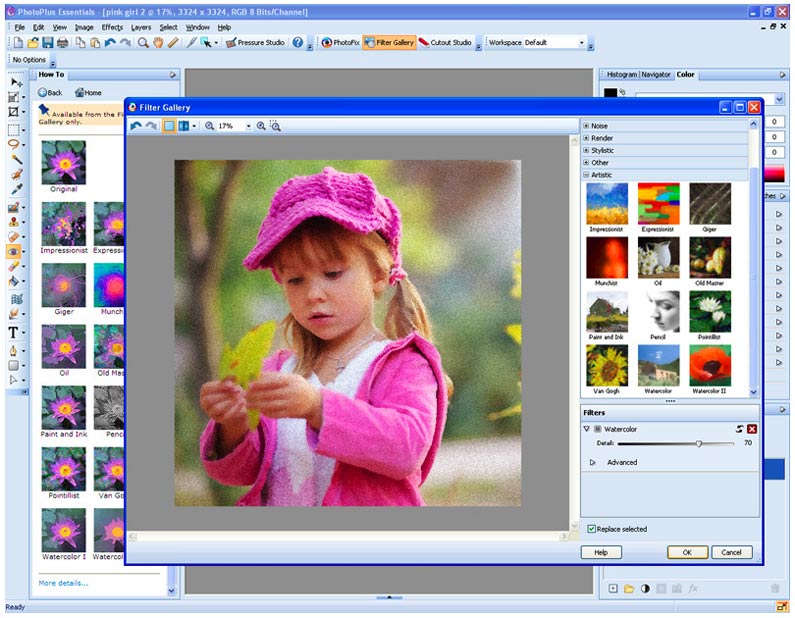
Application Software: Application software refers to the programs designed to perform specific tasks for the user. These range from everyday tools like word processors and image editors, to more specialized software such as accounting programs, graphic design suites, or video editing tools. The mobile app revolution of the last decade has also given rise to an expansive ecosystem of applications designed for smartphones, from social media apps to productivity tools.
-
Development Software: This category of software is used by developers to create other software. It includes integrated development environments (IDEs) such as Visual Studio, Eclipse, and IntelliJ IDEA, which provide a comprehensive suite of tools for coding, debugging, and testing software. Additionally, version control systems like Git and GitHub allow developers to collaborate on projects and manage code changes effectively.
-
Utility Software: Utility software is designed to help manage, maintain, and optimize a computer system. These tools may include antivirus software, disk cleanup utilities, and backup programs. While they are not directly involved in day-to-day tasks, they help keep systems secure and running efficiently.
-
Embedded Software: Embedded software is programmed into devices other than general-purpose computers. It runs on microcontrollers and embedded systems, such as those found in cars, household appliances, medical devices, and industrial machinery. Despite its often invisible nature, embedded software plays a critical role in enabling the smart technologies that power the Internet of Things (IoT).
The Impact of Software on Society
The role of software in shaping modern society cannot be overstated. In every sector—healthcare, finance, education, entertainment—software has revolutionized how we live and work. Consider healthcare, where electronic health records (EHRs) and telemedicine platforms have transformed patient care, enabling doctors to remotely diagnose and treat patients. In finance, software underpins online banking, mobile payment systems, and algorithmic trading, making financial transactions faster and more secure than ever before.
Education has also undergone a digital transformation, with e-learning platforms, virtual classrooms, and educational apps reshaping how knowledge is disseminated. The rise of edtech (education technology) has made learning more accessible to people across the globe, regardless of their geographical location.
In entertainment, software has enabled the growth of streaming platforms like Netflix, Spotify, and YouTube, providing personalized content experiences powered by algorithms that recommend music, movies, and shows based on user preferences.
Perhaps one of the most profound effects of software has been on the job market. Automation, driven by sophisticated software algorithms, is transforming industries and job functions. While this has led to significant increases in productivity, it has also sparked debates about the future of work and the need for reskilling and upskilling in the face of technological advancement.
The Future of Software
Looking ahead, the future of software appears more exciting than ever. Emerging technologies such as artificial intelligence (AI), machine learning, and blockchain are likely to redefine the boundaries of what software can achieve. AI, for instance, is already being integrated into a wide range of applications, from self-driving cars to healthcare diagnostics, and its capabilities are only expected to grow.
Blockchain technology, which underpins cryptocurrencies like Bitcoin, promises to revolutionize industries like finance, supply chain management, and even voting systems by offering decentralized, tamper-proof solutions.
Additionally, the growth of quantum computing—which promises to solve complex problems far beyond the reach of traditional computers—could dramatically change the software landscape, ushering in a new era of computational power.
Conclusion
In conclusion, software is the invisible force that powers the modern world. Its evolution from simple machine code to sophisticated systems fueled by artificial intelligence, cloud computing, and other cutting-edge technologies has been nothing short of extraordinary. The future of software is filled with infinite possibilities, from enhancing the efficiency of our daily lives to unlocking new dimensions in science and technology. As we continue to push the boundaries of what is possible, the question is not whether software will shape the future, but rather how we will harness its potential to create a better, more connected world.