
In an era where the rhythm of life is dictated by the hum of technology, gadgets have become indispensable companions to nearly every facet of our daily existence. From the moment we wake up to the time we lay our heads to rest, we are surrounded by an ever-growing array of devices—each designed to enhance convenience, improve productivity, and provide endless entertainment. Gadgets, once thought of as novelties or luxuries, have evolved into essential tools that touch every aspect of modern life. In many ways, the relationship between people and their gadgets has transcended mere functionality; it has become deeply intertwined with our identities, our habits, and even our perceptions of the world around us.
The Gadget Ecosystem: An Intricate Web of Innovation
At its core, a gadget is any small, specialized device that serves a specific function, often with a focus on making tasks more efficient or enjoyable. The word itself evokes images of sleek, often compact devices—think smartphones, smartwatches, or wireless earbuds—that are effortlessly integrated into daily routines. But the modern definition of gadgets extends far beyond these personal devices to include an array of home and office technology, such as smart thermostats, fitness trackers, and home assistants like Amazon’s Alexa or Google Home. The variety of gadgets on offer has grown exponentially, offering solutions for everything from health and wellness to home automation, entertainment, and communication.
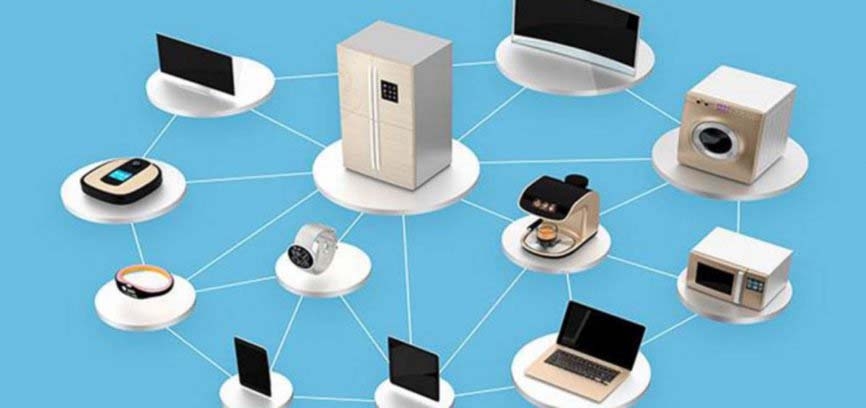
The rapid proliferation of these technologies has not occurred in a vacuum. The advancements in gadget design and functionality are deeply rooted in broader technological innovations, such as the internet of things (IoT), artificial intelligence (AI), and machine learning. The convergence of these forces has created an ecosystem where gadgets are not isolated but interconnected—designed to sync with one another and form a cohesive, seamless experience for the user.
The Smartphone: The Quintessential Gadget
If there is one gadget that can be credited with revolutionizing the way we live, work, and communicate, it is undoubtedly the smartphone. Once a luxury reserved for the tech-savvy, smartphones have now become a universal tool—one that we use for everything from navigating our daily schedules to managing our finances and staying connected with loved ones. With their powerful processors, high-resolution cameras, and expansive app ecosystems, smartphones have evolved into multitasking marvels that serve as both a phone and a portable computer.
The smartphone’s impact is profound, not just as a tool for communication but also as a platform for innovation. The rise of app stores has spawned entire industries, with applications dedicated to everything from social networking to gaming, shopping, and education. Smartphones have given rise to entire subcultures—think of the influencer culture driven by social media apps like Instagram and TikTok or the gaming community that thrives on mobile platforms.
Moreover, smartphones have become integral to the smart home ecosystem. They act as hubs for controlling everything from security systems and lighting to appliances and thermostats. This trend toward home automation is just one example of how gadgets are continuously evolving, becoming more integrated with other elements of our digital lives.
Wearable Gadgets: Fashion Meets Functionality
The rise of wearable technology has ushered in a new era of personal gadgets that not only serve a functional purpose but also reflect an individual’s personal style. Smartwatches, fitness trackers, and even smart glasses have gone from being niche products to mainstream necessities, providing users with an unparalleled level of access to information while on the go.
Smartwatches, like the Apple Watch and Fitbit, have become ubiquitous, serving as both timepieces and fitness trackers. They monitor everything from heart rate and sleep patterns to steps taken and calories burned, allowing users to track their health and fitness goals with precision. The convenience of receiving notifications, checking messages, or even answering calls from a device worn on the wrist has made the smartwatch an essential gadget for the modern, tech-savvy individual.
Moreover, the continued development of smart clothing and wearable health devices is pushing the boundaries of what gadgets can achieve. Smart fabrics, embedded with sensors, promise to revolutionize healthcare by continuously monitoring a person’s vital signs and alerting them to potential health issues in real time.
Home Automation: The Smart Home Revolution
A particularly intriguing area in the world of gadgets is home automation. The once-futuristic dream of having a home that anticipates our needs is now a reality, thanks to the development of smart home gadgets. Devices like smart thermostats, smart speakers, and security cameras are no longer limited to luxury homes but are becoming increasingly accessible to the average consumer.
The introduction of voice assistants like Amazon Alexa, Google Assistant, and Apple Siri has been a game-changer. These virtual assistants allow users to control almost every aspect of their home—from adjusting the temperature to dimming the lights, playing music, or even ordering groceries. The integration of these devices with smartphones, tablets, and other gadgets creates a cohesive, interconnected environment that simplifies daily tasks and enhances convenience.
Beyond basic functionality, smart home gadgets also offer increased energy efficiency. Devices like smart thermostats and energy-efficient light bulbs can significantly reduce household energy consumption by learning user habits and adjusting settings accordingly. This shift towards smarter, more sustainable living is an essential facet of the gadget revolution, with profound implications for the environment.
The Future of Gadgets: What Lies Ahead?
The pace of innovation in the gadget industry shows no signs of slowing down. As technology continues to evolve, so too will the gadgets that shape our lives. One of the most exciting developments is the integration of artificial intelligence (AI) into everyday devices. From voice recognition to machine learning algorithms, AI is enabling gadgets to become smarter, more intuitive, and capable of anticipating user needs before they are even voiced.
Take, for instance, augmented reality (AR) and virtual reality (VR)—technologies that were once the realm of gaming enthusiasts and tech enthusiasts. Today, AR and VR are expanding into various sectors, from education and healthcare to retail and design. Imagine a future where your smartphone or smart glasses can overlay useful information onto the physical world, providing context and enhancing your experience in real-time.
Another area poised for massive growth is health tech. The use of gadgets to monitor and improve health is an exciting frontier, with devices that track everything from blood sugar levels to mental health indicators. Future gadgets may allow for more precise, real-time health data collection, empowering individuals to take charge of their well-being in unprecedented ways.
Gadgets and Society: Balancing Innovation with Responsibility
While gadgets offer immense benefits, there are also concerns that need to be addressed. The ever-increasing reliance on digital devices raises questions about privacy, security, and mental health. The rise of data breaches, surveillance technologies, and the potential for addiction to digital devices are just some of the challenges that come with the gadget revolution.
In addition, the rapid pace of technological advancement means that gadgets are often designed with a built-in obsolescence—rendering older models outdated and encouraging consumers to constantly upgrade. This culture of consumerism can be wasteful, contributing to e-waste and environmental degradation.
For the future of gadgets to be sustainable, companies and consumers alike must adopt responsible practices. Ethical considerations regarding data privacy, sustainable manufacturing, and digital well-being must be woven into the design and use of future gadgets. Only by balancing innovation with responsibility can we ensure that gadgets continue to enrich our lives without compromising our privacy, security, or the planet.
Conclusion
Gadgets have transformed from simple tools into complex, interconnected devices that shape our daily routines and influence how we interact with the world. From the ubiquity of smartphones to the rise of smart homes and wearable tech, gadgets are becoming deeply embedded in our personal and professional lives. As the pace of technological advancement accelerates, so too will the capabilities of these devices, opening up new realms of possibility for innovation, convenience, and connection. However, as we continue to embrace these technological marvels, it’s vital that we do so with a mindful approach—one that acknowledges both the immense potential and the inherent risks of a gadget-driven world. In the end, gadgets are not just shaping our present; they are defining the future of human interaction with technology.