
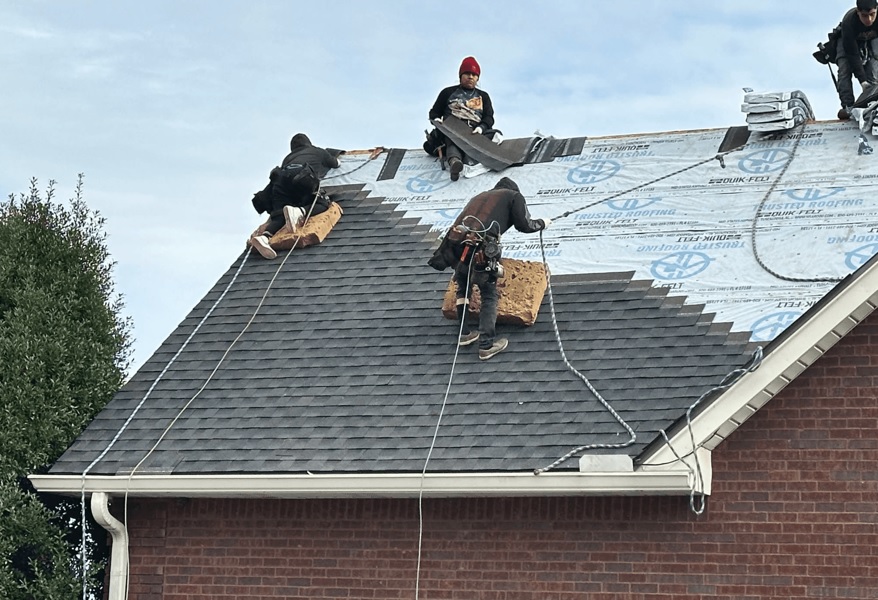
Franklin and Murfreesboro sit just a short drive apart, but homeowners in each city are making notably different roofing choices in 2025. Architecture, weather, HOAs, and fast-paced growth all play a role. For anyone pricing a replacement roof, or trying to match a neighborhood’s look, understanding these local nuances can save headaches and money.
Local pros, including the team at Quality Exteriors, report that asphalt still leads across Middle Tennessee, yet the gap is narrowing as metal gains ground and color palettes shift. Murfreesboro Roofing decisions are increasingly shaped by storm patterns and insurance dynamics, while Franklin’s historic character and design standards point owners toward classic profiles and subdued tones. Here’s what’s driving those choices this year, and what it means for long-term value.
Local architecture shaping roofing preferences in Franklin
Franklin’s streets tell a story, brick Federal-style facades in historic districts, Victorian and Colonial Revival details, and newer Craftsman and farmhouse builds on the outskirts. That architectural mix heavily influences roofing.
- Color and profile: Muted charcoals, weathered wood, and slate-inspired tones are favored to complement existing streetscapes. Homeowners avoid high-contrast or ultra-modern colors that can clash with traditional exteriors.
- Texture matters: Dimensional (architectural) shingles mimic the depth of old cedar shakes without the maintenance. In higher-end neighborhoods, synthetic slate or shake occasionally appears to capture historic character with lower weight.
- Accents, not statements: Standing seam metal shows up most often as an accent, porches, dormers, and bay windows, rather than full-metal roofs in many established areas. It threads the needle between classic and current.
HOA guidelines and historical overlays also nudge Franklin owners toward understated, period-appropriate roofs. Steep pitches and complex rooflines common in the area make ventilation and flashing details more critical, another reason many opt for premium architectural shingles with robust warranties that keep the look refined and the performance stable.
Murfreesboro weather conditions and their impact on material choice
Murfreesboro homeowners live with a different daily reality: open-subdivision exposure, fast-moving storm cells along the I-24 corridor, and long, humid summers. Those factors shape Murfreesboro roofing priorities in 2025.
- Hail and wind: Impact-resistant (Class 4) asphalt shingles are rising as insurers in Middle Tennessee continue adjusting deductibles and offering discounts for resilient roofs. Proper high-wind nailing patterns and starter strips at eaves are a must.
- Heat and algae: UV and humidity drive interest in shingles with cool surface granules and algae-resistant technology to combat those familiar black streaks. Improved attic ventilation, ridge and soffit together, helps lower attic temps and extend shingle life.
- Water management: Heavy downpours make underlayment choice important. Synthetic underlayments and peel-and-stick leak barriers in valleys and around penetrations offer extra protection against wind-driven rain.
Metal is gaining in neighborhoods that have less restrictive design rules, thanks to its durability and quick water-shedding in big storms. Owners also like that steel and aluminum options dent less than expected when they’re panel-gauge matched to local hail risk.
Comparing the popularity of asphalt, metal, and tile roofs
Across both cities, asphalt remains the default, but for different reasons.
Asphalt shingles: In Franklin, they deliver the right look for traditional architecture at a palatable price, with architectural profiles that read as classic from the curb. In Murfreesboro, they hit the value sweet spot while offering impact-rated upgrades that satisfy insurers and storm concerns.
Metal roofing: The curve is up in both markets. In Franklin, full metal roofs appear on modern farmhouses and custom builds outside historic overlays. In Murfreesboro, standing seam and textured metal shingles are a practical answer to hail, wind, and quick storm runoff. Noise and lightning myths have largely faded as more homeowners see real-world performance and proper underlayment systems.
Tile roofing: Clay and concrete tile remain niche. Weight, structural requirements, and higher material costs limit adoption, though a few Mediterranean-influenced homes and custom estates carry the look. Where owners want that upscale aesthetic without the load, composites and synthetic slate are the go-to alternatives.
Net trend: Asphalt still dominates, but metal’s share is climbing, especially on new builds and re-roofs that prioritize long service life and storm resilience.
Economic factors influencing homeowner decisions in 2025
Budgets are tighter, and homeowners are making more analytical choices about total cost of ownership, not just the upfront quote.
- Materials and labor: Supply chains have mostly stabilized since the 2021–2022 volatility, but skilled labor remains at a premium. That keeps installation quality, and warranty backing, front and center in bids.
- Insurance dynamics: Higher wind/hail deductibles in parts of Middle Tennessee push owners toward impact-resistant shingles to capture policy discounts. Some carriers require specific nailing patterns or documentation on Class 4 shingles to qualify.
- Financing and timing: With borrowing costs still above pre-2020 norms, many owners pair projects, roof + gutters + attic insulation, to stretch contractor mobilization and get better per-item pricing.
- Resale calculus: Franklin sellers lean toward curb appeal and architectural compatibility that helps listings pop. In Murfreesboro, buyers often ask about roof age, ventilation, and hail history first: a recent Class 4 roof can be a selling point.
Quality Exteriors notes a shift to “value stacking”: homeowners spending slightly more for impact-rated shingles, upgraded underlayment, and better ventilation to push leak risk down and roof life up, creating a more defensible long-term cost profile.
The role of community growth in roofing demand
Rapid growth is a shared theme. Murfreesboro continues to add subdivisions and townhomes at a strong clip, while Franklin mixes infill projects with upscale new construction.
- New builds: Large developments typically start with builder-grade architectural shingles. Murfreesboro sees more volume here, which sets a baseline for neighborhood appearance and future re-roof cycles in 12–20 years depending on maintenance and storm exposure.
- Re-roof cycles: In Franklin, aging stock in established neighborhoods means steady replacement demand, especially where storms have accelerated wear. Owners often upgrade to higher-spec shingles or add metal accents during these projects.
- Multifamily and light commercial: Growth corridors bring flat and low-slope roofing into the conversation (TPO, modified bitumen). While outside the scope of most single-family choices, this activity supports a bigger local roofing workforce and faster response times after storms.
Growth also concentrates demand after severe weather. Contractors that pre-stage materials and crews, something regional outfits like Quality Exteriors are known for, help neighborhoods avoid long waits when storms hit.
How neighborhood styles affect homeowner roofing choices
HOAs and informal neighborhood norms drive a lot of decision-making, sometimes more than weather or price.
- Franklin: Historic overlays near downtown come with tight guidelines on color, profile, and even flashing visibility. Many HOAs prefer muted, slate-adjacent tones and discourage overly reflective roofs. Metal accents are embraced, full-metal roofs less so unless the architecture calls for it.
- Murfreesboro: Newer HOAs can be flexible as long as colors coordinate and roofs meet wind/hail specs. That’s opened the door for more standing seam metal and bolder charcoal shingles on contemporary elevations.
Consistency matters to buyers. A roof that clashes with the streetscape can ding perceived value, even if it outperforms technically. Smart homeowners ask for sample boards and take them curbside at different times of day, morning light vs. late afternoon can change how a shingle reads against brick, stone, or siding.
Finally, details sell the look: color-matched drip edge and gutters, low-profile ridge vents, and properly flashed chimneys keep the roof visually quiet so the architecture can shine.