
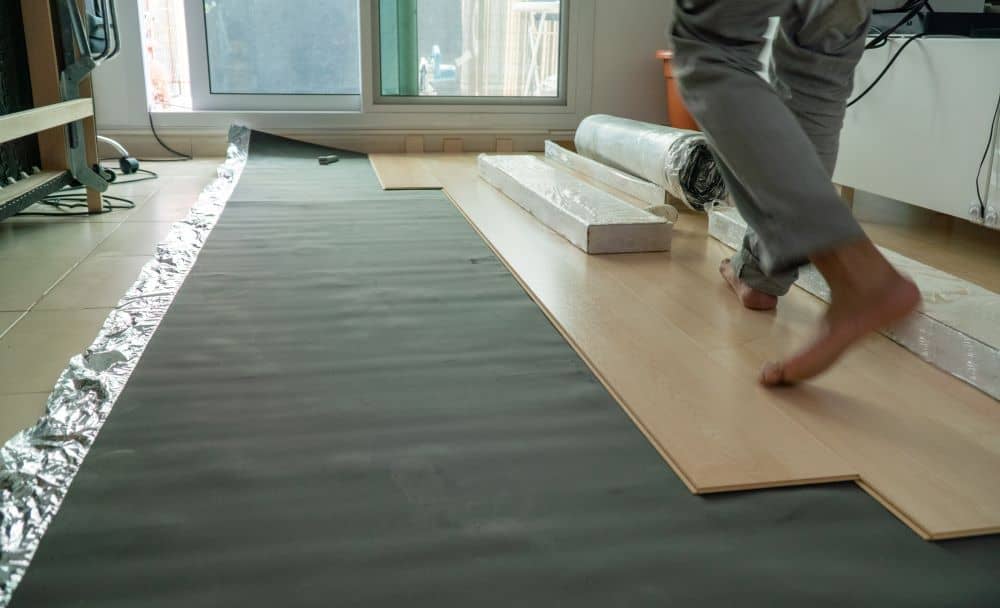
More homeowners and remodelers are turning to Flooring Over Tile as a faster, cleaner way to refresh a space without swinging a demo hammer. When it’s done right, it’s a Simple Flooring upgrade that preserves the existing tile and delivers a fresh, durable surface. The catch? Success hinges on preparation, the right material choice, and a clear plan for height, transitions, and moisture. This guide breaks down how to prep existing tile, which flooring types work best, the real benefits of skipping tile removal, the durability pitfalls to watch, and when to bring in a pro. It’s a practical roadmap for a result that looks intentional, not improvised.
Preparation steps for laying new flooring over tile
Proper prep is the difference between a flawless Flooring Over Tile result and a floor that creaks, cups, or telegraphs grout lines.
1) Assess the tile’s condition
- Ensure tiles are firmly bonded. Hollow-sounding or loose tiles should be removed and patched, not covered.
- Replace cracked tiles and rake out crumbling grout. Movement beneath a new floor is a durability killer.
- In wet areas, verify there’s no active leak or failed waterproofing.
2) Check flatness and height
- Flatness matters more than “level.” Most floating floors want no more than 1/8 inch variation in 6 feet (or 3/16 in 10 feet). Rigid-core vinyl is especially sensitive.
- Measure added height: existing tile + underlayment + new floor. Confirm door clearances, appliance fit, toe-kick space, and transitions to adjacent rooms or stairs.
3) Clean, degloss, and scuff
- Deep-clean with an alkaline degreaser to remove residues, then rinse thoroughly.
- If using adhesives, degloss with an abrasive pad or light mechanical abrasion to promote bond. Vacuum dust.
4) Patch grout joints and low spots
- Grout lines can telegraph through thinner products. Skim-coat the entire surface with a suitable patch/leveler to create a continuous plane.
- Feather out low areas: allow proper cure time per manufacturer specs.
5) Underlayment and moisture
- For floating floors, use the underlayment specified, acoustic, cushion, or combination vapor retarder as required.
- On slabs under tile, consider moisture tests. Excess moisture can migrate through grout and undermine adhesives or cause cupping.
6) Plan layout and transitions
- Dry-lay a few rows to test plank direction, seam staggering, and where transitions will land.
- Order appropriate reducers, T-moldings, and stair noses ahead of time.
Handled carefully, these steps turn Flooring Over Tile from a gamble into a Simple Flooring process with predictable results.
Flooring types best suited for installation on tile surfaces
Not every surface thrives over tile. These categories tend to perform best when the prep is right and manufacturer instructions are followed.
Luxury vinyl plank/tile (SPC/WPC rigid core)
- A popular choice for Flooring Over Tile thanks to click-lock ease, water resistance, and dimensional stability.
- Rigid cores help span minor grout joints, but a skim coat still reduces telegraphing and improves feel.
- Look for products approved for installation over existing ceramic/porcelain and verify underlayment requirements.
Laminate flooring (floating)
- Modern laminates resist scratches and look convincingly like wood. With an appropriate pad, they install quickly over smooth tile.
- Flatness is crucial. Pronounced grout joints can create a hollow sound or joint stress without patching.
- Avoid prolonged moisture exposure: choose products rated for kitchens and half baths if applicable.
Engineered hardwood (floating or glue-down)
- Floating click engineered planks can work over properly prepared tile when height and flatness are dialed in.
- Glue-down engineered hardwood may also be an option if the tile is abraded, primed, and skim-coated per adhesive specs.
Glue-down LVT or sheet vinyl
- Provides a quiet, solid underfoot feel and sleek look. Demands a near-perfect substrate, so full skim coat is standard.
- Use the adhesive system the manufacturer specifies for non-porous substrates.
Cork, carpet tile, and specialty surfaces
- Cork floating floors can go over tile with careful moisture and flatness control.
- Carpet tiles install easily on smooth, clean tile using pressure-sensitive adhesive, useful for offices and basements.
All of the above share a theme: the smoother and cleaner the tile, the better the long-term performance. Checking warranty language for installation over existing hard surfaces is a smart, Simple Flooring habit.
Key benefits of avoiding tile removal in renovations
Skipping demolition isn’t just about saving sweat. Keeping the old tile in place can deliver several strategic advantages.
- Time savings: Tile demo, disposal, and subfloor repairs can add days, or weeks. Flooring Over Tile frequently compresses schedules, which matters in occupied homes and commercial turnovers.
- Lower mess and noise: No jackhammers, no clouds of silica dust. It’s safer and far easier to live through the work.
- Cost control: Fewer labor hours, fewer surprise subfloor fixes, and no landfill fees. The budget can shift toward a higher-quality finish floor.
- Reduced risk: Old mortar beds often hide issues. Leaving sound tile undisturbed can preserve waterproofing in baths and prevent collateral damage to walls or cabinets.
- Sustainability: Reusing a serviceable substrate cuts waste. It’s a Simple Flooring move with a lighter environmental footprint.
When speed, cleanliness, and predictability matter, avoiding tile removal is often the smarter renovation play.
Common challenges that affect durability and performance
Installing over tile introduces unique variables. Knowing them upfront keeps the new surface performing like day one.
Height buildup and transitions
Added thickness can jam doors, change stair riser heights, or create trip edges at adjoining floors. Plan reducer profiles, undercut jambs, and verify appliance clearances before ordering material.
Telegraphing and hollow sounds
Unpatched grout joints or lippage can print through thin floors, especially glue-down vinyl, and cause a drummy sound with floating systems. A full skim coat and proper underlayment are the antidote.
Moisture and bond failures
Tile over concrete may still pass moisture upward through grout. Without testing and the right vapor retarder or adhesive, boards can cup or glue can fail. In baths, poor sealing at tubs and showers invites intrusion.
Movement and temperature swings
Floating floors expand and contract. Direct sun through big windows or radiant heat beneath the tile amplifies movement, risking peaking at transitions if expansion gaps are ignored.
Substrate instability
If sections of tile are loose, the whole assembly can flex. That movement transfers to the new floor, opening joints or breaking adhesive bonds.
Mitigation checklist:
- Verify flatness: patch and grind as needed.
- Moisture test and follow manufacturer limits.
- Use expansion gaps and appropriate transitions.
- Choose products and adhesives warranted for Flooring Over Tile.
- Address direct sunlight with shades or UV-resistant finishes.
A little discipline here dramatically extends long-term durability.