
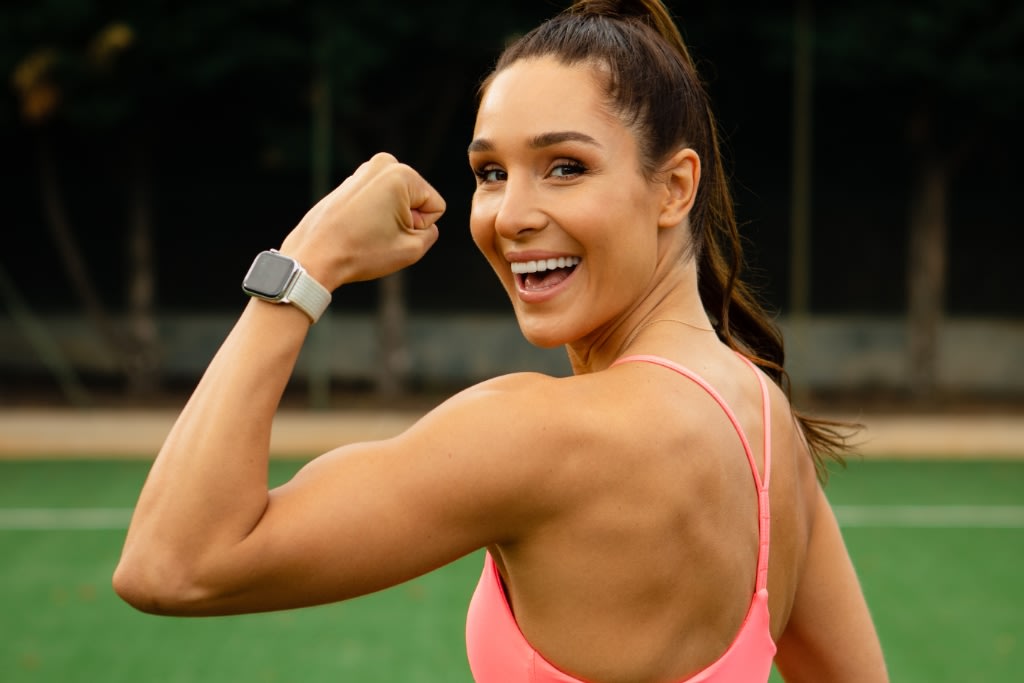
Wearable technology has changed how people perceive exercise. Heart rate graphs, calorie numbers, and recovery scores appear instantly after every workout, yet many BODYCOMBAT participants feel confused by what they see on their screens. A bodycombat class often produces wildly different readings from session to session, even when effort feels similar.
This article explains why tracking data during BODYCOMBAT can be misleading, what metrics actually matter, and how to use technology as a helpful guide rather than a source of frustration.
Why BODYCOMBAT challenges wearable accuracy
BODYCOMBAT combines fast strikes, explosive kicks, directional changes, and rhythm based movement. These characteristics make accurate tracking difficult for most wrist worn devices.
Common reasons for inconsistent data include:
-
Rapid arm movement disrupting optical sensors
-
Sudden heart rate spikes during combinations
-
Grip tension affecting blood flow at the wrist
-
Short recovery periods that confuse averaging algorithms
Because of this, two classes with similar effort may show very different calorie burn or intensity scores.
Calorie numbers and why they vary so much
Many people judge workouts by calorie burn, but this metric is one of the least reliable in high intensity group classes.
Calorie estimates are based on:
-
Heart rate trends
-
Body weight and age inputs
-
Algorithm assumptions about movement type
In BODYCOMBAT, heart rate fluctuates rapidly and movement patterns do not match steady cardio models. This leads to inflated or inconsistent numbers.
Rather than focusing on calories burned per session, it is more useful to look at trends across weeks.
Heart rate zones, what matters and what does not
Heart rate data is still useful when interpreted correctly. BODYCOMBAT naturally pushes participants into moderate to high intensity zones repeatedly.
Helpful ways to use heart rate data include:
-
Noting how quickly heart rate recovers between tracks
-
Observing average heart rate across the class
-
Tracking perceived effort alongside heart rate
Chasing maximum heart rate every session is unnecessary and often counterproductive. Consistent exposure to challenging but manageable intensity produces better adaptation.
Recovery between intervals as a progress marker
One overlooked metric is recovery speed. As fitness improves, heart rate drops faster between intense sections.
Signs of improvement include:
-
Faster breathing recovery
-
Lower heart rate after cooldown
-
Feeling ready sooner for the next track
These changes may not be reflected in calorie totals but indicate real cardiovascular progress.
Training load and weekly balance
Some wearables estimate training load based on intensity and duration. This can be useful when managing fatigue.
BODYCOMBAT sessions contribute significantly to weekly training load. Stacking too many high load days often leads to:
-
Declining performance
-
Poor sleep quality
-
Increased injury risk
Using training load trends helps balance high intensity days with lighter sessions and rest.
Step counts and movement outside the gym
Another misleading signal comes from step counts. After intense BODYCOMBAT sessions, daily steps may drop unintentionally.
This happens because:
-
Fatigue reduces spontaneous movement
-
People sit more after training
-
Mental tiredness limits activity
Monitoring steps or general movement helps ensure overall activity remains balanced, supporting fat loss and recovery.
Perceived effort versus device data
Technology should support awareness, not replace it. Perceived effort remains one of the most reliable indicators of training quality.
Ask simple questions after class:
-
Was today challenging but manageable
-
Could I maintain technique under fatigue
-
Do I feel energised or drained afterward
Comparing these answers with device data builds a more accurate picture over time.
Using wearable data to avoid burnout
Wearables can help identify early signs of overtraining if used wisely.
Warning signs include:
-
Elevated resting heart rate over several days
-
Declining heart rate variability trends
-
Poor sleep scores after repeated intense sessions
When these appear, reducing intensity or adding recovery days often restores balance quickly.
Tracking progress beyond numbers
Progress in BODYCOMBAT is not only physiological. Coordination, timing, and confidence improve gradually.
Signs of progress that devices cannot measure include:
-
Smoother transitions between movements
-
Better balance during kicks
-
Improved rhythm and flow
-
Reduced mental effort to follow choreography
These improvements translate to better performance and enjoyment.
Building a simple tracking framework
Rather than analysing every metric, focus on a few consistent indicators:
-
Weekly training frequency
-
Average session intensity
-
Recovery quality
-
Subjective energy levels
This simplified approach prevents data overload while still guiding smart decisions.
Technology as a tool, not a judge
Wearables are most effective when used as feedback tools rather than scorecards. BODYCOMBAT training success comes from consistency, recovery, and enjoyment, not perfect graphs.
Training environments that combine structured programming with education help members interpret data correctly. Facilities like True Fitness Singapore provide this balance by encouraging sustainable habits alongside performance tracking.
FAQ
Why does my calorie burn change every BODYCOMBAT session?
Wearables estimate calories based on heart rate patterns that vary with movement style and sensor accuracy.
Is heart rate tracking useless for BODYCOMBAT?
No. It is useful for observing trends and recovery, but not for precise calorie counts.
Should I use chest straps instead of wrist trackers?
Chest straps can improve accuracy, but perceived effort and recovery remain equally important.
How can I tell if I am improving without numbers?
Improved recovery speed, better coordination, and reduced fatigue are strong indicators of progress.
Can tracking too much affect motivation?
Yes. Over analysing data often increases stress and reduces enjoyment. Simpler tracking supports consistency.
How often should I review my data?
Weekly reviews are more useful than daily comparisons.