Fitness technology has transformed almost every aspect of how people train, monitor, and understand their bodies. From heart rate monitors strapped to wrists to AI-generated training plans delivered through smartphone apps, the modern exerciser in Singapore has access to more performance data and personalised insight than any previous generation. Yet for many years, the world of Pilates remained a relative outlier in this technological shift, priding itself on the attentiveness of human instruction and the nuance of tactile correction over digital measurement.
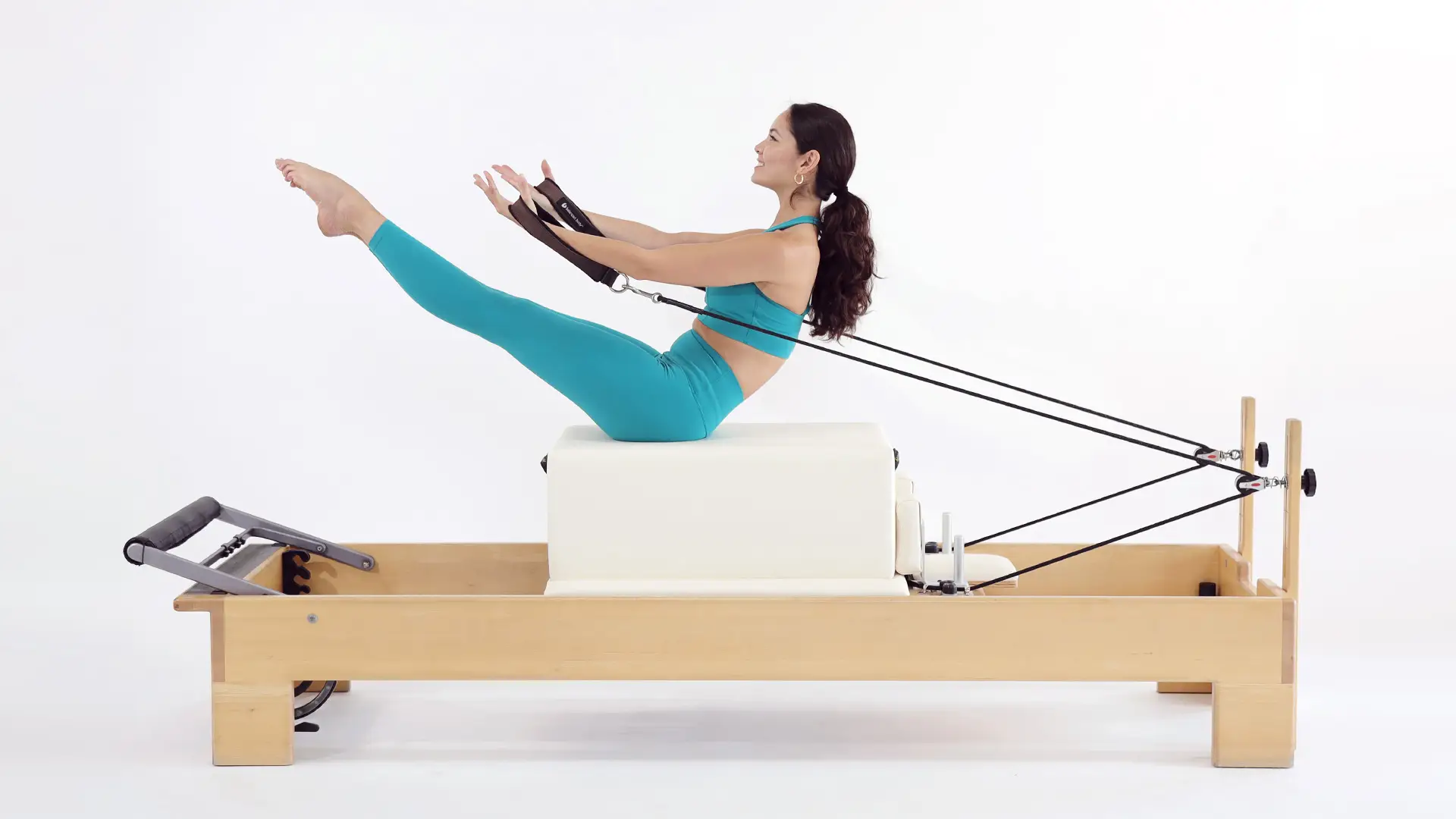
That gap is closing rapidly. The integration of technology into the pilates reformer experience is no longer a future scenario. It is actively reshaping how studios design sessions, how instructors identify technique errors, how clients track their progress, and how Pilates businesses operate in an increasingly data-literate fitness market. Singapore, with its high smartphone penetration, strong technology adoption culture, and discerning fitness consumer base, is at the forefront of this integration.
Movement Analysis Technology: From Eye to Algorithm
Traditionally, movement quality assessment in Pilates has depended entirely on the trained eye of an experienced instructor. This is a genuinely skilled ability developed over years, and it remains irreplaceable in many contexts. But human visual assessment has inherent limitations. An instructor teaching a class of eight people cannot simultaneously monitor the pelvic position, spinal alignment, foot placement, and breath pattern of every participant at every moment. Fatigue in a late-session exercise may go unnoticed until it has already produced a compensation pattern.
Computer vision and artificial intelligence are beginning to address these limitations. Movement analysis platforms using camera-based tracking can now monitor joint angles, movement velocity, symmetry ratios between left and right limbs, and alignment parameters in real time. In Reformer Pilates, this technology can be configured to flag when the lumbar spine moves out of neutral during footwork, when the pelvis rotates asymmetrically during leg press, or when the shoulder girdle elevates under load in the arm series.
This information can be displayed to the instructor on a monitoring screen, allowing them to provide targeted correction to specific clients without constantly scanning the room visually. It can also be shared with the client after the session as a movement report, providing tangible and objective evidence of what was performed well and where attention should be directed in future sessions.
Wearable Biofeedback in the Reformer Environment
Wearable technology has evolved significantly beyond simple step counting and heart rate monitoring. Electromyography-based wearables, which measure the electrical activity of specific muscles during exercise, are increasingly finding application in rehabilitation and performance training settings. In the reformer context, these devices can confirm whether the transversus abdominis and pelvic floor are activating appropriately during core-focused exercises, or whether the superficial abdominals are dominating.
This is particularly valuable in the early stages of reformer training, when clients are learning to access the deep stabiliser system and when the sensations of correct internal engagement are unfamiliar and difficult to distinguish from superficial muscle activity. Real-time biofeedback transforms this abstract instruction into visible, measurable data. When the display shows the deep stabiliser activating, the client can learn to recognise and reproduce the internal sensation that accompanies it. When the display shows the superficial muscles firing instead, the client has immediate and objective confirmation that the adjustment their instructor suggested is necessary.
Wearable pressure sensors designed for pelvic floor monitoring also have applications in the reformer setting, particularly for clients who are post-partum, perimenopausal, or managing pelvic floor dysfunction. These devices can confirm whether the pelvic floor is coordinating with the diaphragm and transversus abdominis during the breath-movement sequences that are central to Reformer Pilates methodology.
Smart Reformer Equipment: The Connected Machine
The reformer machine itself is becoming smarter. Next-generation reformer designs are beginning to incorporate embedded sensors that measure carriage velocity, spring resistance calibration, force distribution across the footbar, and the duration and consistency of each repetition. This data stream allows for a level of session quantification that was previously impossible.
For studios, connected reformer equipment provides aggregate data on how different client populations are using the machines, which spring configurations are most commonly associated with technique errors, and which exercises show the highest variability between clients. This information can inform curriculum design and instructor training in ways that pure observational experience cannot.
For individual clients, the data from a smart reformer session can be synced to a training app, allowing progress to be tracked across sessions with objective metrics rather than subjective memory. A client who has been working to improve left-right symmetry in their footwork over three months can see their symmetry ratio trending toward balance, providing the kind of concrete progress evidence that sustains motivation through the plateau periods that are a normal part of physical development.
App-Based Class Management and Personalised Programming
Studio management technology has transformed the administrative and client-facing dimensions of the Reformer Pilates business. Booking systems that were once managed through phone calls and paper schedules are now sophisticated digital platforms that track attendance history, preferred class times, instructor preferences, and membership status. But the more significant development is the emergence of app features that extend the studio-client relationship beyond the session itself.
Progressive studios in Singapore are beginning to offer app-based supplementary content including technique video libraries keyed to the exercises clients have been introduced to in class, guided at-home movement practices that complement reformer session work, and personalised focus notes from instructors delivered through the app following each session. This extends the value of each reformer session and supports the neuromuscular learning process between studio visits.
The data collected through app interactions also allows studio operators to identify which clients are engaging regularly, which are at risk of dropping attendance, and which may be ready to progress to more advanced class formats. This enables proactive client communication that feels personalised rather than automated, which is critical in a high-touch service environment like boutique fitness.
Virtual and Hybrid Reformer Instruction
The COVID-19 period accelerated experimentation with virtual fitness delivery across all modalities, with mixed results. For Reformer Pilates specifically, the limitations of virtual instruction became immediately apparent: without a reformer at home, clients could not replicate the session, and the tactile correction that is fundamental to reformer instruction cannot be delivered through a screen.
However, hybrid models have emerged that leverage technology more intelligently. Live-streamed reformer classes with camera angles specifically configured to show technique from multiple perspectives allow remote participants with home reformers to follow along with a degree of instruction quality that early virtual formats could not provide. Pre-recorded technique libraries, delivered through studio apps, allow clients to revisit cuing and instruction between sessions in a format that reinforces in-studio learning.
For studio-based sessions, technology that allows clients to record brief clips of specific exercises for technique review later, or to receive annotated video feedback from instructors after sessions, is bridging the gap between the in-room instruction moment and the ongoing learning process.
Data Privacy and the Ethics of Fitness Technology
As fitness technology in the reformer environment becomes more sophisticated, data privacy considerations become correspondingly important. Movement data, biometric information, health history details, and attendance patterns all represent sensitive personal information. Studios that collect this data have an obligation to handle it in accordance with Singapore’s Personal Data Protection Act and to be transparent with clients about what is collected, how it is stored, and how it is used.
The most trustworthy studios in Singapore’s Reformer Pilates landscape are those that treat data privacy not as a compliance checkbox but as a genuine dimension of client trust. Technology should serve the client’s development and safety, and clients should always have visibility into and control over their personal data.
Yoga Edition integrates technology thoughtfully into its studio experience, combining the irreplaceable quality of skilled human instruction with digital tools that extend client service and enhance outcome quality, always with a client-centred approach to how information is handled and used.
FAQ
Q: Do I need any wearable devices or special equipment to attend a tech-enabled Reformer Pilates class in Singapore?
A: In most cases, no. The technology used within the studio environment, including movement tracking systems and smart reformer equipment, is provided and managed by the studio. Clients typically need only a smartphone to access the studio’s booking and supplementary content app. Some studios may offer optional wearable device integration for clients who want additional biometric data, but this is generally not required for participation.
Q: How accurate is AI movement analysis compared to an experienced human instructor?
A: Current AI movement analysis systems are highly accurate for detecting gross alignment deviations and asymmetries, particularly when camera angles are optimised for the specific exercises being performed. However, they cannot replicate the full scope of an experienced instructor’s assessment, which integrates visual information with auditory cues, tactile feedback, and the clinical reasoning that comes from years of working with diverse bodies. The most effective application of AI movement analysis is as a complementary tool that enhances instructor capacity rather than a replacement for human expertise.
Q: I am concerned about my movement data being recorded during sessions. What should I ask a studio before enrolling?
A: Reasonable questions to ask include: what data is collected during sessions, how it is stored and for how long, whether it is shared with third parties, how you can access or delete your data, and what security measures protect it. A reputable studio should be able to answer these questions clearly and should have a published privacy policy aligned with Singapore’s Personal Data Protection Act requirements.
Q: Can technology help me progress faster in Reformer Pilates compared to traditional instruction alone?
A: The evidence from movement science research suggests that real-time biofeedback accelerates motor learning for complex movements, which is exactly what Reformer Pilates involves. Being able to see objective data confirming when you are executing a movement correctly, rather than relying solely on sensory feedback that may be unreliable in the early stages of learning, can meaningfully reduce the time needed to develop consistent technique. Technology does not replace the quality of instruction but can enhance the efficiency with which instruction translates into embodied skill.
Q: Are there any Reformer Pilates apps available in Singapore for home practice between studio sessions?
A: Several global Pilates platforms offer app-based content that includes reformer-adjacent bodyweight programming for between-session practice. Additionally, some Singapore studios have developed proprietary app content for their members. The most effective approach combines studio-specific supplementary content, which is calibrated to the exercises and progressions you are working through in class, with the core sessions themselves. Ask your studio whether they provide any digital content as part of your membership.