






close

Technology

Technology

Robotic Laser Welding vs. Manual Welding for a More Stable Industrial Production Workflow

Robotic laser welding changes the way a manufacturing company plans work, quality, and operator involvement. Manual welding can still be useful when flexibility and direct human control are important, but industrial production often requires a more repeatable workflow. When a company compares both approaches, the question is not only how to join metal parts. The more practical question is how to organize the process so weld quality, speed, training, and daily operation remain predictable.

Why the Welding Method Matters in Production Planning

In production planning, welding affects more than the workstation itself. It influences the order of operations, operator workload, the amount of finishing needed after welding, and the risk of errors in repeated tasks.

A manual process may depend heavily on individual experience, while automation is designed to make the same operation easier to repeat. That difference becomes important when a company wants to stabilize output, reduce unnecessary corrections, and introduce a process that is easier to supervise.

Where Manual Welding Still Fits in a Manufacturing Company

Manual welding remains a natural choice when production is highly variable, when single parts require individual adjustment, or when a company is not yet ready to automate the process. It can also be useful for repairs, prototypes, and smaller jobs where full automation may be harder to justify.

In industrial planning, however, manual work should be assessed honestly. If similar parts return every day and the result depends too much on operator fatigue, availability, or individual skill, the process may need a more stable solution.

When Robotic Laser Welding Becomes the Better Production Option

Robotic laser welding becomes especially relevant when a company needs repeatability, cleaner welds, and a more organized production rhythm. A robotic workstation can support serial production because it performs the planned movement and welding process in a controlled way.

This does not remove the need for people, but it changes their role. Instead of relying only on manual skill for every weld, the company can focus more on preparation, process supervision, training, and consistent parameters.

How Automation Changes Operator Workload

The practical value of automation is often visible in the everyday organization of work. A robotic laser welding workstation can support a model in which one operator supervises the process instead of performing every weld manually.

For a manufacturing company, this may help reduce dependence on repetitive manual tasks and make daily planning easier. The benefit is not only speed. It is also the ability to organize work around a defined process, where the workstation supports consistency and limits avoidable variation.

Fanuci and Falcon as a Partner for Laser Welding Automation

Fanuci and Falcon provides laser metal processing solutions, consulting, implementation support, and service. In robotic welding, the company offers FANUCI 5.0 TurnKey, a workstation designed for automation, repeatability, process stability, simple control, and certified components.

The company also supports equipment selection through consultation, technology trials, configuration, training, and service. This matters because a robotic welding investment should fit the real part, the production goal, and the team that will operate the system.

What a Robotic Workstation Can Support in Serial Production

In serial production, one of the strongest arguments for robotic laser welding is the ability to repeat a defined welding process with less dependence on momentary manual variation. Depending on the material, part, and configuration, this can support stable quality, cleaner results, and less finishing work.

It can also help the production manager think in terms of workflow rather than isolated tasks. The workstation becomes part of a broader production plan, connected with preparation, loading, supervision, service access, and operator training.

How to Compare Risk Before Changing the Process

A company should not compare manual and robotic welding only by looking at the machine itself. A more useful comparison includes training, expected workload, part repeatability, available space, service support, and the way the process will be introduced.

Fanuci and Falcon supports this stage through consultation, testing, and configuration selection before purchase. This is a safer path than choosing equipment based only on general assumptions. The investment should answer a practical question: will this workstation make the real production process more stable?

Why Testing Should Come Before the Final Decision

Testing is important because welding results depend on the part, material, required appearance, and expected production rhythm. A presentation or technology trial can show how the solution performs in conditions closer to the buyer’s real work.

It also helps clarify what the operator will do, what training will be needed, and how the workstation should be configured. For companies moving from manual welding toward automation, this step reduces uncertainty and makes the decision easier to explain inside the organization.

How to Move from Manual Welding Toward Robotic Laser Welding

The best transition starts with the process, not with the machine. A company should identify repeated welding tasks, check where manual work creates errors or finishing costs, and define what a more stable workflow should achieve.

Then it can discuss the part, expected result, configuration, training, and service support with a technology partner. To explore a robotic workstation designed for this type of production planning, check the Fanuci and Falcon laser welding cobot system page.

read more
Technology

Why Your Digital Professional Identity Is the Career Asset You Can’t Afford to Ignore

In an era when the first thing a recruiter, client, or collaborator does after hearing your name is search for you online, the question is no longer whether you have a digital presence but whether that presence is working in your favor. Professional identity has moved beyond the resume or the LinkedIn headline. It has become a living, dynamic representation of who you are, what you stand for, and where you are headed in your career. For anyone serious about long-term growth, understanding how to build, maintain, and project that identity online is no longer optional.

The professionals who rise in today’s job market are not always the most credentialed. They are often the most visible, the most consistent, and the most intentional about how they present themselves across digital touchpoints. A well-managed online profile that reflects continuous updating of skills, achievements, and perspectives creates a compound effect over time, where every update, post, or published piece adds another layer to a professional narrative that becomes increasingly hard to ignore.

The Shift From Resume to Digital Narrative

For decades, career development centered on a single document. The resume was the gateway. Today, that gateway has expanded into an entire ecosystem of profiles, portfolios, content pieces, and digital conversations. Hiring managers report reviewing candidates’ online presence as a standard part of evaluation, and clients in freelance and consulting markets almost universally conduct a Google search before reaching out.

This shift has fundamentally changed what it means to be professionally competitive. Your digital identity is now a 24/7 representation of your expertise and values. It speaks for you when you are not in the room, answers questions you have not been asked yet, and shapes perceptions before a single conversation takes place.

What this means practically is that a scattered, incomplete, or inconsistent digital presence is no longer a neutral position. It creates doubt. A professional with an outdated profile, conflicting messaging across platforms, or no visible evidence of ongoing engagement with their field signals stagnation, whether that is accurate or not.

Consistency as a Competitive Advantage

One of the most underestimated elements of building a strong professional identity is consistency. This does not mean saying the same thing in the same way across every platform. It means that a coherent thread runs through your messaging, your positioning, and your areas of expertise, regardless of where someone encounters you.

Consistency operates on multiple levels:

  • Messaging: The professional value you offer should be clearly recognizable whether someone reads your biography, your published articles, or your social media activity.
  • Visual branding: Profile photos, color schemes, and tone of voice contribute to a recognizable personal brand that builds familiarity over time.
  • Topic focus: Specialists who consistently engage with a defined area of expertise build authority faster than those who cover too many unrelated subjects.
  • Posting cadence: Regular visibility keeps you present in your professional community’s awareness without requiring a large following or promotional budget.

Research from career platform studies consistently shows that professionals who maintain active, focused digital profiles receive significantly more inbound opportunities than those with dormant ones. This is not about vanity metrics. It is about being findable and credible at the exact moment someone is looking for what you offer.

Strategic Visibility in Saturated Digital Spaces

The challenge today is not simply being present online. It is being visible in a way that actually creates professional opportunities. Digital spaces across LinkedIn, personal websites, industry forums, and content platforms have become increasingly crowded. In this environment, generic presence produces generic results.

Strategic visibility means making deliberate choices about where you invest your time and how you position yourself in those spaces.

Choosing the Right Platforms

Not every platform serves every professional equally. A designer benefits enormously from a visual portfolio on Behance or a curated Instagram presence. A consultant or researcher builds credibility faster through LinkedIn articles, Substack newsletters, or published thought leadership. Understanding where your target audience, potential employers, or ideal clients actually spend their time is essential before investing energy into building presence anywhere.

Differentiation Through Specificity

In saturated professional spaces, the fastest path to recognition is specificity. A copywriter who specializes in SaaS onboarding flows will attract more targeted attention than one who advertises general writing services. A project manager who consistently shares insights about distributed team coordination becomes a recognizable name in that niche. Specificity reduces competition and increases relevance with the exact audiences that matter most.

Content as Proof of Expertise

Publishing content, even modestly and irregularly, does something that no static profile can: it demonstrates thinking in action. A short analysis of an industry trend, a candid post about a professional lesson learned, or a detailed breakdown of a project outcome all create evidence of active expertise. Over time, this archive becomes a portfolio of thought leadership that continues to work on your behalf long after it is published.

Reputation Management as a Long-Term Career Strategy

Building a strong digital identity is inseparable from managing your professional reputation over time. In the past, reputation management was primarily reactive, something organizations did in response to crises. For individual professionals today, it is a proactive, ongoing responsibility.

Your digital reputation is shaped by everything associated with your name online, including the things you control and the things you do not. Recommendations and endorsements from credible colleagues carry enormous weight. Being mentioned in recognized publications or industry resources raises your perceived authority. Even the comments you make in public forums contribute to the overall picture others form of you.

Auditing Your Current Digital Footprint

A practical starting point for anyone serious about professional reputation is a thorough audit of their current online presence. This involves searching your name across major search engines, reviewing every profile associated with you for accuracy and currency, and identifying any gaps or inconsistencies between how you present yourself in different spaces.

Common issues that professionals discover during this process include:

  • Outdated job titles or skill sets that no longer reflect current capabilities
  • Profiles on platforms they no longer actively use, creating a fragmented or abandoned impression
  • Missing links between key profiles, reducing discoverability
  • Inconsistent bios that send mixed signals about professional focus

Addressing these gaps does not require a dramatic overhaul. Small, targeted improvements made consistently over weeks and months create a significantly stronger overall impression.

Building Authentic Connection Across Professional Communities

Perhaps the most meaningful dimension of digital professional identity is the one that cannot be faked: genuine connection with others in your field. Algorithms and search rankings change constantly. What remains durable is a reputation built through authentic engagement, shared knowledge, and demonstrated reliability over time.

This happens through participation. Commenting thoughtfully on others’ work, sharing resources that are genuinely useful, engaging with professional conversations in your area of expertise, and supporting peers without expectation of immediate return all contribute to a reputation that no profile optimization can replicate.

Professionals who combine a well-maintained digital presence with active, authentic community engagement consistently report stronger networks, more referral-driven opportunities, and a greater sense of professional confidence than those who treat their online identity as a set-and-forget task.

The digital landscape will continue evolving. New platforms will emerge, algorithms will shift, and the tools for managing professional identity will keep changing. But the underlying principle remains constant: people work with people they know, trust, and can find. Your digital professional identity is the bridge between being talented and being discovered.

Frequently Asked Questions

How often should I update my digital professional profiles? A general rule is to review your core profiles at least once per quarter. Any time you take on a new role, complete a significant project, earn a certification, or shift your professional focus, that is an immediate trigger for an update. More frequent updates are appropriate for platforms where active engagement is expected, such as LinkedIn or a personal blog.

Does having multiple platforms dilute my professional brand? Not necessarily, but managing too many platforms poorly is worse than maintaining fewer platforms well. It is better to have two or three strong, active presences than seven outdated ones. Prioritize the platforms where your professional audience is most active and where you can realistically sustain engagement.

What should I do if I have negative or outdated information appearing in search results? Start by addressing it through positive content creation. Regularly publishing quality content associated with your name pushes older or less favorable results down in search rankings over time. For factually incorrect information, directly contact the platform or publication where it appears to request correction or removal.

Is personal branding only relevant for freelancers and executives? No. While freelancers and senior leaders were early adopters of personal branding, it is now relevant across virtually every career stage and sector. Early-career professionals who begin building a thoughtful digital presence earlier benefit from a longer compounding period. Mid-career professionals use it to signal readiness for advancement or transition. Even those in traditional employment benefit from being recognized contributors in their professional communities.

How do I build credibility online without a large following or media coverage? Credibility is built through demonstrated expertise, not follower counts. Publishing consistent, specific, and genuinely useful content in your area of focus builds authority over time. Seeking peer endorsements, contributing to industry discussions, and maintaining complete and current profiles all contribute to a credible presence independent of viral reach.

read more
Technology

Top Features Every Successful Mobile App Must Include

The digital marketplace is flooded with millions of mobile applications competing for space on user smartphones. Launching a new application involves navigating a highly competitive landscape where users have remarkably high expectations and very little patience. Studies of user behavior reveal that a significant percentage of downloaded applications are discarded after a single use, often due to poor performance, clunky navigation, or a lack of immediate utility.

To break through this digital noise and build long-term user retention, a software product must offer more than just a novel concept. Success requires a deliberate focus on user experience, system performance, security infrastructure, and engagement strategies. Integrating specific core features into the development blueprint ensures an application delivers tangible value while maintaining an intuitive, friction-free ecosystem.

Seamless User Onboarding and Identity Management

The onboarding process represents the critical first handshake between a mobile application and a new customer. If this initial step feels tedious or intrusive, users will abandon the software before exploring its core functionality.

Simplified Social Sign-On

Forcing individuals to fill out extensive registration forms and memorize a new password configuration introduces immediate friction. Successful applications leverage OAuth protocols to offer single-click registration options using established accounts from Google, Apple, or major social networks. This mechanism allows users to establish a secure profile within seconds, dramatically reducing abandonment rates during the initial launch phase.

Progressive Profiling and Dynamic Walkthroughs

Instead of overwhelming users with an exhaustive list of permissions and setup steps upon open, top-tier applications utilize progressive profiling. They ask for information only when it becomes contextually necessary to complete a task. Furthermore, interactive, skippable walkthroughs guide users through the primary user interface elements dynamically, helping them understand the value proposition of the product through immediate action rather than passive reading.

High-Performance User Experience and Interface Design

Mobile application performance cannot be separated from visual design. Users expect interfaces to react instantaneously to touch inputs, with smooth transitions and zero noticeable lagging.

Biometric Authentication Systems

Security must be balanced carefully against daily convenience. Integrating biometric authentication options, such as fingerprint scanning and facial recognition systems, provides a highly robust layer of protection for personal accounts. This feature eliminates the need for users to manually enter passwords during routine app launches, protecting sensitive data while speeding up access to the underlying service.

Intelligent Search Filters and Navigation

Finding information or products inside an application should never feel like navigating a maze. Successful software incorporates prominent, centralized search bars equipped with autocomplete logic, spell-check algorithms, and recent history tracking.

For applications managing expansive inventories or content databases, advanced multi-layered filtering allows users to sort results by parameters like price range, rating, proximity, or popularity instantly.

System-Wide Dark Mode Compatibility

Offering a dark mode toggle is no longer a superficial aesthetic design trend; it is a core feature demanded by modern users. Dark mode reduces eye strain during night use, improves legibility in low-light environments, and conserves battery life on modern organic light-emitting diode (OLED) smartphone screens. Software should read system preferences dynamically to align with the global dark or light settings of the phone automatically.

Robust Communication and Engagement Frameworks

Keeping a mobile application relevant requires maintaining an active, meaningful dialogue with the user base even when the software is closed.

Highly Personalized Push Notifications

Generic, repetitive push notifications are viewed as annoying spam, often driving users to disable application alerts entirely or uninstall the software. Successful applications use deep machine learning to analyze individual behavior patterns, delivery histories, and localized time zones. This data allows the system to send highly targeted, contextually relevant notifications, such as a localized promotional offer or a personalized reminder, precisely when the user is most likely to engage.

Real-Time In-App Chat Support

When users encounter an issue, they do not want to exit the application to browse external help articles or wait days for an email response. Integrating an in-app chat system backed by an intelligent automated conversational assistant provides instant resolution for standard operational questions. When a problem requires deep human intervention, the system should smoothly transition the dialogue to a live support representative without forcing the user to restate their problem from the beginning.

Advanced Technical Capability and Reliability Features

The underlying technical architecture must support the application under varying environmental constraints, ensuring the product remains useful regardless of network quality.

Robust Offline Functionality

Smartphones are frequently exposed to unstable network environments, such as underground transit systems, remote rural areas, or crowded public stadiums. A highly successful application operates gracefully when disconnected from the internet. By utilizing localized synchronization databases, the software stores user actions, drafts text, or queues transactions locally on the device memory. The moment a stable data connection is re-established, the app silently syncs this cached data back to the centralized cloud servers.

Automated Performance Monitoring and Crash Reporting

No development environment is perfect, and hidden bugs will eventually trigger crashes in live production environments. To protect user trust, applications must integrate background logging systems that detect crashes and performance drops in real time. These automated utilities package essential contextual data, such as device model, operating system version, and exact memory state at the moment of failure, sending it back to engineering teams immediately so they can deploy patches before a glitch impacts the broader user base.

Frequently Asked Questions

What is the ideal target for mobile application launch and page load speeds?

To prevent user abandonment, a mobile application should ideally launch and display its main functional dashboard within two seconds of being tapped. Individual pages, transaction components, and content screens within the application should render in under one second. If an application consistently takes longer than three seconds to process basic user requests, overall user satisfaction drops exponentially, driving up uninstall rates.

How do modern applications handle data privacy compliance inside user tracking features?

Successful applications adhere strictly to global data protection laws, such as GDPR and CCPA, by implementing explicit permission frameworks. Upon the initial launch or when utilizing a specific tracking feature, the application displays clear, transparent dialog boxes explaining exactly what data is collected and how it will be used. Users must be granted the granular ability to opt-out of data tracking easily without losing access to the core functionality of the application.

Why is deep linking considered a vital engagement feature for mobile products?

Deep linking allows external channels, such as email newsletters, social media posts, or search engine results, to point to a specific sub-page or product inside a mobile application rather than just opening the generic home screen. If a user clicks an ad for a specific jacket, deep linking bypasses the main menu and routes them directly to that jacket checkout screen within the application, eliminating multiple friction points in the buying process.

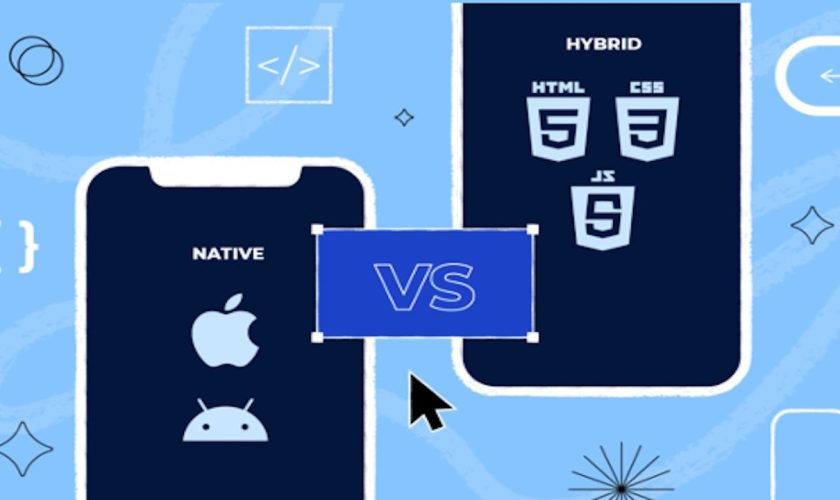
What are the main benefits of developing a native mobile application versus a hybrid model?

Native application development involves writing separate codebases specifically for iOS and Android using platform-authorized programming languages. This approach yields significantly faster execution speeds, fluid graphical transitions, superior memory optimization, and seamless access to core hardware components like cameras, accelerometers, and biometric sensors. Hybrid apps are quicker to build but often suffer from slower performance and clunky user interfaces under heavy processing loads.

How should micro-interactions be utilized within an application interface?

Micro-interactions are subtle visual or sensory responses that occur when a user performs a specific action, such as a gentle vibration when a switch is flipped, a smooth color transition when a button is pressed, or a playful pull-down animation when refreshing a feed. These small details provide clear physical confirmation that the system has registered the input, making the entire user experience feel interactive, polished, and satisfying.

What is the role of caching in optimizing mobile application storage consumption?

Caching allows an application to store heavy static assets, such as images, brand logos, user profile structures, and core data templates, directly within the local storage of a smartphone. This practice prevents the application from redownloading the exact same media files every time a screen is viewed, significantly reducing mobile data usage for the consumer while drastically lowering server load and decreasing page response times.

read more
Technology

Native vs Hybrid Apps: Which One Should You Choose

The mobile application marketplace is massive and highly competitive. For businesses, entrepreneurs, and engineering teams, launching a mobile app is no longer just an option to consider; it is often the primary touchpoint for customer engagement and revenue generation. However, before the first line of code is written or the initial wireframes are designed, a foundational technical decision must be made: should you build a native app or a hybrid app?

This choice is not merely a technical debate among developers. It has profound, long-term implications for your business model, development budget, time to market, and ultimate user experience. Choosing the wrong path can lead to wasted capital, sluggish performance, and fractured user reviews that kill an app before it gains traction. Understanding the structural, operational, and financial differences between native and hybrid frameworks is essential to making an informed decision that aligns with your strategic goals.

Understanding Native App Architecture

Native app development involves building a separate, standalone application for each specific mobile operating system. This means writing entirely independent codebases using the platform-authorized programming languages, software development kits (SDKs), and design environments provided by Apple and Google.

The Apple iOS Ecosystem

To build a native application for Apple devices, developers write code in Swift or Objective-C, using Xcode as their primary integrated development environment. The resulting application is tailormade to interact flawlessly with iOS architecture, animations, and security frameworks.

The Google Android Ecosystem

For Android devices, developers utilize Kotlin or Java within the Android Studio environment. The software is optimized to handle the vast array of Android device form factors, processors, and screen resolutions.

Advantages of Native Apps

  • Uncompromising Performance: Native applications are compiled directly into machine code. This allows them to leverage the full processing power of the smartphone, resulting in incredibly fluid animations, fast load times, and high frame rates required for graphics-heavy applications.

  • Deep Hardware Integration: Native apps have seamless, direct access to the built-in hardware of the device, including the camera, GPS module, microphone, bluetooth sensors, biometric authentication scanners, and gyroscopes without requiring complex translation layers.

  • Superior User Experience: Because native apps utilize the platform-specific user interface components, they match the look, feel, and navigation gestures that users expect from their respective operating systems. An iOS user gets an authentic iOS experience, while an Android user gets an authentic Android experience.

  • Robust Offline Capabilities: Native architectures excel at managing local data storage and background synchronization, allowing complex apps to remain highly functional even when the user is completely disconnected from the internet.

Decoding Hybrid App Architecture

Hybrid applications are essentially web applications wrapped inside a native container. Developers write the core application code once using standard web languages or specialized cross-platform frameworks, and then deploy that single codebase across both iOS and Android platforms.

Frameworks Driving Hybrid Evolution

Modern hybrid development relies on powerful cross-platform frameworks that bridge the gap between web technology and mobile hardware. These include React Native, Flutter, and Ionic. While older hybrid apps were simple web pages rendered inside a hidden mobile browser shell, modern frameworks allow web code to render native user interface components dynamically, significantly narrowing the performance gap.

Advantages of Hybrid Apps

  • Reduced Development Costs: Instead of hiring two separate teams to build an iOS app and an Android app, a single team can construct one hybrid codebase that serves both operating systems. This halves the initial engineering investment.

  • Accelerated Time to Market: Building a single codebase takes significantly less time than developing two independent software products. If you are racing against competitors to launch a Minimum Viable Product (MVP), a hybrid approach can cut your timeline down by months.

  • Simplified Maintenance and Updates: Bug fixes, feature updates, and layout changes only need to be coded once within the centralized repository. When the update is pushed, it applies to both platforms simultaneously, drastically reducing long-term maintenance overhead.

  • Unified Design Language: A hybrid model makes it easier to maintain absolute brand consistency across platforms, ensuring that the visual layout and user workflows remain identical whether accessed via an iPhone or an Android tablet.

Head-to-Head Comparison: The Decision Matrix

Choosing between native and hybrid is not about finding the objectively superior technology; it is about assessing which model fits your specific project parameters.

Budget and Resource Constraints

If your venture is a startup working with limited seed capital, or if you are an established business looking to test a new market concept with minimal financial exposure, hybrid development is highly compelling. It allows you to maximize your budget by reaching the entire mobile market simultaneously. Conversely, if capital is abundant and your brand reputation hinges entirely on delivering a premium, flawless digital product, investing in native development is the correct path.

Performance and Graphical Intensity

The nature of your app’s functionality should dictate its architecture. Applications that require intense real-time rendering, complex mathematical calculations, high-frequency audio/video processing, or continuous GPS tracking, such as mobile games, advanced photo editors, or navigation tools, demand native architecture. Hybrid frameworks introduce a layer of interpretation between the app and the hardware, which can cause micro-stutters, battery drain, and overheating under intense processing loads. If your app is primarily focused on presenting text, displaying images, managing user inputs, and conducting standard e-commerce transactions, a hybrid framework will perform beautifully.

Long-Term Scalability and Security

Native applications offer superior long-term stability because they depend directly on Apple and Google. When a new version of iOS or Android is released, native developers get instant access to the new features and security patches. Hybrid applications are dependent on a third-party framework layer. If Apple updates an underlying security protocol, hybrid developers must wait for the creators of React Native or Flutter to update their frameworks before they can patch their applications, creating a potential vulnerability window.

Strategic Recommendations

Opt for native development if your application requires heavy reliance on device hardware, depends on sub-millisecond execution speeds, operates extensively offline, or targets an audience that demands a highly customized, ultra-premium user experience.

Choose hybrid development if your project is timeline-sensitive, operates on a modest budget, functions primarily as a content delivery platform, or needs to prove its market viability across both operating systems as quickly as possible.


Frequently Asked Questions

What is a Progressive Web App and how does it differ from a hybrid app?

A Progressive Web App (PWA) is a highly optimized website designed to look and function like a mobile app directly inside a mobile browser. Unlike hybrid apps, PWAs do not require downloading from the Apple App Store or Google Play Store. Users simply visit the website and add a shortcut to their home screen. While PWAs offer basic offline access and push notifications, they have even tighter restrictions on hardware integration and performance than hybrid applications.

Can a business start with a hybrid app and migrate to native later?

Yes, many highly successful companies begin with a hybrid application to rapidly validate their product-market fit, discover user pain points, and secure funding. Once the business model is proven and capital is available, they rewrite the application natively from scratch to optimize performance, eliminate structural technical debt, and introduce advanced features that the initial hybrid framework could not support.

Do hybrid applications face higher rejection rates in the Apple App Store?

Historically, Apple has maintained strict guidelines regarding app quality. In the early days of hybrid development, apps that were simply clunky, slow-loading websites wrapped in a basic mobile container were frequently rejected for lacking native utility. However, modern cross-platform frameworks like Flutter and React Native produce highly responsive, visually polished applications that comply fully with App Store guidelines, provided the design follows standard human interface practices.

How does the size of the final application file differ between native and hybrid models?

Native applications generally feature much smaller initial download sizes because they compile directly into lean, optimized machine code and utilize components that already exist natively within the operating system. Hybrid applications require packaging additional libraries, dependencies, and framework translation engines inside the application bundle, which naturally inflates the final file size on the user’s phone.

How do native and hybrid applications handle background processing tasks?

Native applications have a distinct advantage when managing complex background tasks, such as continuous location tracking, large file downloads, or real-time data syncs while the device screen is locked. iOS and Android have unique, strict resource management policies for background apps. Native development allows engineers to tailor the code precisely to these OS-specific battery and memory-saving rules, whereas hybrid frameworks often struggle with background execution constraints.

Which approach makes it easier to implement customized animations and complex UI designs?

Native development is vastly superior for implementing intricate, customized animations and unique interface designs. Because native code talks directly to the graphic rendering engines of the device without any middleware interference, UI designers can build complex, fluid, and layered visual effects without worrying about dropping frame rates or stuttering, which can easily occur when trying to force a hybrid framework to render non-standard visuals.

read more
Technology

Green Technology and Sustainable Innovation

The global community faces an unprecedented environmental challenge characterized by climate change, resource depletion, and biodiversity loss. As industrial processes and consumer habits continue to strain the ecosystems of the planet, traditional methods of economic growth are proving unsustainable. The path forward requires a fundamental shift in how societies produce energy, manufacture goods, manage waste, and build urban environments.

Green technology and sustainable innovation represent the cornerstone of this transition. By combining advanced engineering, ecological science, and digital intelligence, these innovations seek to minimize human impact on the environment while maintaining economic viability. This article explores the core sectors driving green technology, the innovations reshaping industries, and the structural shifts necessary to achieve a sustainable future.

The Transformation of Energy Systems

The energy sector is the largest contributor to global greenhouse gas emissions, making it the primary target for green technology interventions. The transition away from fossil fuels involves not only scaling up baseline renewable energy generation but also modernizing the infrastructure that supports it.

Next-Generation Renewable Energy

While solar photovoltaics and onshore wind turbines have become mainstream, sustainable innovation is pushing these technologies into new frontiers:

  • Perovskite Solar Cells: Traditional silicon-based solar panels are approaching their theoretical efficiency limits. Perovskite solar cells, which can be layered on top of standard silicon, offer significantly higher light-absorption capabilities and lower manufacturing costs, promising a breakthrough in solar efficiency.

  • Floating Offshore Wind Farms: Traditional offshore wind is limited to shallow waters where turbines can be fixed to the seabed. Floating wind turbines, anchored by tethering lines, allow countries to harvest the immense, uninterrupted wind resources found in deep oceanic waters.

  • Green Hydrogen Production: Hydrogen has long been eyed as a clean fuel, but traditional production relies heavily on natural gas. Green hydrogen utilizes renewable electricity to power electrolyzers that split water into hydrogen and oxygen, providing a zero-emission fuel source for heavy industries like steel manufacturing and maritime shipping.

Grid Modernization and Energy Storage

Renewable energy sources like wind and solar are inherently intermittent; the sun does not always shine, and the wind does not always blow. To maintain a stable electrical grid, energy storage and smart distribution technologies are critical.

Solid-state batteries are emerging as a safer, higher-density alternative to traditional lithium-ion batteries, offering faster charging times and longer lifespans for grid-scale storage. Concurrently, artificial intelligence is being integrated into electrical grids to create smart grids. These AI-driven systems analyze real-time data from millions of sensors to predict energy demand, optimize distribution, and seamlessly integrate decentralized renewable energy sources.

Sustainable Agriculture and Food Systems

Agriculture utilizes a vast portion of the habitable land on Earth and consumes massive quantities of freshwater. Sustainable innovation in this sector focuses on maximizing food production yields while reducing chemical runoff, land degradation, and water waste.

Precision Agriculture and IoT

Precision agriculture leverages the Internet of Things (IoT) to take the guesswork out of farming. Soil sensors placed throughout fields monitor moisture levels, nutrient content, and temperature in real time. This data is transmitted to automated systems that deliver the exact amount of water and fertilizer needed by each individual plant. By eliminating blanket spraying, farmers drastically reduce water consumption and prevent chemical runoff from polluting nearby waterways.

Vertical Farming and Controlled Environments

As urban populations expand and arable land diminishes, vertical farming offers a highly efficient alternative to traditional agriculture.

Operating inside controlled indoor environments, vertical farms stack crops in vertical layers, utilizing hydroponic or aeroponic systems that deliver nutrient-rich mist directly to plant roots. These facilities use up to 95 percent less water than conventional farms, eliminate the need for chemical pesticides, and can be located inside or near urban centers, drastically reducing the carbon footprint associated with long-distance food transportation.

Circular Economy and Advanced Materials

The traditional economic model follows a linear path: take resources, make a product, and dispose of it as waste. Green technology is driving a transition toward a circular economy, where products and materials are intentionally designed to be reused, remanufactured, or completely recycled back into the production cycle.

Biodegradable and Bio-Based Materials

Plastic pollution remains one of the most visible environmental crises. Sustainable innovation is yielding bio-based plastics derived from renewable resources like seaweed, cornstarch, and agricultural waste. Unlike petroleum-based plastics that persist in ecosystems for centuries, these advanced materials are engineered to break down naturally into non-toxic components within a matter of months under appropriate composting conditions.

Industrial Symbiosis and Closed-Loop Manufacturing

In a circular economy, the waste product of one industrial process becomes the raw material for another. This concept, known as industrial symbiosis, is transforming manufacturing hubs. For example, carbon capture technologies are now being deployed at industrial plants not just to store emissions underground, but to actively capture carbon dioxide and convert it into synthetic building aggregates, synthetic fuels, or carbon fibers, effectively turning a pollutant into a valuable economic asset.

Green Architecture and Smart Cities

Urban areas consume over two-thirds of the world’s energy and account for more than 70 percent of global carbon emissions. Transforming cities into centers of sustainability requires integrating green technology into building designs and urban infrastructure.

Passive Building Design and Embodied Carbon

Modern green architecture focuses on reducing both operational carbon (energy used to run a building) and embodied carbon (emissions produced during the manufacturing and transportation of building materials).

Architects are increasingly turning to mass timber, a highly engineered wood product that traps carbon inside the structure of the building, as a sustainable alternative to emission-heavy concrete and steel. Furthermore, passive design strategies utilize natural ventilation, optimized building orientation for sunlight, and high-performance thermal insulation to drastically reduce the reliance on mechanical heating and air conditioning systems.

Intelligent Urban Infrastructure

Smart cities utilize interconnected digital infrastructure to optimize resource consumption across urban landscapes:

  • Smart Water Management: Digital sensors across municipal water networks detect leaks instantly, saving millions of gallons of treated water before a visible rupture occurs.

  • Intelligent Traffic Management: AI-powered traffic lights adjust their timings dynamically based on real-time traffic flow, reducing vehicle idling times and lowering urban air pollution.

  • Localized Microgrids: Neighborhoods equipped with rooftop solar installations and localized battery storage can form self-sufficient microgrids, sharing excess energy locally and reducing strain on the broader municipal electrical infrastructure.

Frequently Asked Questions

What is the difference between green technology and clean technology?

While often used interchangeably, green technology specifically focuses on products, systems, and processes that mitigate or reverse environmental degradation by utilizing natural, sustainable resources. Clean technology, or cleantech, is a broader term that encompasses green tech but also includes any operational process, service, or product that improves productive efficiency while reducing costs, inputs, energy consumption, waste, or pollution.

How does carbon capture and storage technology help in reducing global emissions?

Carbon capture and storage involves capturing carbon dioxide emissions directly from industrial sources, such as power plants or cement factories, before they enter the atmosphere. The captured gas is then compressed and transported to deep underground geological formations, such as depleted oil reservoirs or saline aquifers, where it is permanently trapped and isolated from the global climate system.

What role does artificial intelligence play in advancing sustainable innovation?

Artificial intelligence acts as an optimization catalyst across green technologies. AI algorithms analyze massive datasets to maximize the efficiency of wind and solar farms, predict industrial machine failures to prevent chemical leaks, optimize logistics routes to lower transport emissions, and rapidly discover new molecular structures for biodegradable materials and high-efficiency batteries.

Why is electronic waste a major concern for green technology and how is it addressed?

Electronic waste contains highly toxic heavy metals like lead, mercury, and cadmium, which can leach into soil and water if improperly discarded. Green technology addresses this by developing advanced automated robotic sorting systems that can disassemble complex electronics safely, alongside chemical bio-leaching techniques that use specialized microorganisms to extract precious metals like gold and copper from old circuit boards cleanly.

What is the concept of embodied carbon in sustainable manufacturing and construction?

Embodied carbon refers to the sum of all greenhouse gas emissions generated during the entire lifecycle of a material before it is actually put into active use. This includes the energy expended during the extraction of raw materials, transportation to the processing facility, refining, manufacturing, and final delivery to the construction site or consumer, highlighting the hidden environmental cost of building materials.

How do regenerative agricultural practices differ from standard sustainable farming?

Standard sustainable farming focuses primarily on minimizing harm and reducing resource use, such as using less water or fewer chemical pesticides. Regenerative agriculture goes a step further by actively aiming to restore and revitalize the ecosystem. It utilizes practices like no-till farming, cover cropping, and rotating livestock to actively rebuild topsoil health, increase biodiversity, and enhance the capacity of the soil to draw down and store carbon from the atmosphere.

read more
Technology

Smart Studios, Smarter Bodies: How Technology Is Reshaping the Pilates Reformer Experience in Singapore

Fitness technology has transformed almost every aspect of how people train, monitor, and understand their bodies. From heart rate monitors strapped to wrists to AI-generated training plans delivered through smartphone apps, the modern exerciser in Singapore has access to more performance data and personalised insight than any previous generation. Yet for many years, the world of Pilates remained a relative outlier in this technological shift, priding itself on the attentiveness of human instruction and the nuance of tactile correction over digital measurement.

That gap is closing rapidly. The integration of technology into the pilates reformer experience is no longer a future scenario. It is actively reshaping how studios design sessions, how instructors identify technique errors, how clients track their progress, and how Pilates businesses operate in an increasingly data-literate fitness market. Singapore, with its high smartphone penetration, strong technology adoption culture, and discerning fitness consumer base, is at the forefront of this integration.

Movement Analysis Technology: From Eye to Algorithm

Traditionally, movement quality assessment in Pilates has depended entirely on the trained eye of an experienced instructor. This is a genuinely skilled ability developed over years, and it remains irreplaceable in many contexts. But human visual assessment has inherent limitations. An instructor teaching a class of eight people cannot simultaneously monitor the pelvic position, spinal alignment, foot placement, and breath pattern of every participant at every moment. Fatigue in a late-session exercise may go unnoticed until it has already produced a compensation pattern.

Computer vision and artificial intelligence are beginning to address these limitations. Movement analysis platforms using camera-based tracking can now monitor joint angles, movement velocity, symmetry ratios between left and right limbs, and alignment parameters in real time. In Reformer Pilates, this technology can be configured to flag when the lumbar spine moves out of neutral during footwork, when the pelvis rotates asymmetrically during leg press, or when the shoulder girdle elevates under load in the arm series.

This information can be displayed to the instructor on a monitoring screen, allowing them to provide targeted correction to specific clients without constantly scanning the room visually. It can also be shared with the client after the session as a movement report, providing tangible and objective evidence of what was performed well and where attention should be directed in future sessions.

Wearable Biofeedback in the Reformer Environment

Wearable technology has evolved significantly beyond simple step counting and heart rate monitoring. Electromyography-based wearables, which measure the electrical activity of specific muscles during exercise, are increasingly finding application in rehabilitation and performance training settings. In the reformer context, these devices can confirm whether the transversus abdominis and pelvic floor are activating appropriately during core-focused exercises, or whether the superficial abdominals are dominating.

This is particularly valuable in the early stages of reformer training, when clients are learning to access the deep stabiliser system and when the sensations of correct internal engagement are unfamiliar and difficult to distinguish from superficial muscle activity. Real-time biofeedback transforms this abstract instruction into visible, measurable data. When the display shows the deep stabiliser activating, the client can learn to recognise and reproduce the internal sensation that accompanies it. When the display shows the superficial muscles firing instead, the client has immediate and objective confirmation that the adjustment their instructor suggested is necessary.

Wearable pressure sensors designed for pelvic floor monitoring also have applications in the reformer setting, particularly for clients who are post-partum, perimenopausal, or managing pelvic floor dysfunction. These devices can confirm whether the pelvic floor is coordinating with the diaphragm and transversus abdominis during the breath-movement sequences that are central to Reformer Pilates methodology.

Smart Reformer Equipment: The Connected Machine

The reformer machine itself is becoming smarter. Next-generation reformer designs are beginning to incorporate embedded sensors that measure carriage velocity, spring resistance calibration, force distribution across the footbar, and the duration and consistency of each repetition. This data stream allows for a level of session quantification that was previously impossible.

For studios, connected reformer equipment provides aggregate data on how different client populations are using the machines, which spring configurations are most commonly associated with technique errors, and which exercises show the highest variability between clients. This information can inform curriculum design and instructor training in ways that pure observational experience cannot.

For individual clients, the data from a smart reformer session can be synced to a training app, allowing progress to be tracked across sessions with objective metrics rather than subjective memory. A client who has been working to improve left-right symmetry in their footwork over three months can see their symmetry ratio trending toward balance, providing the kind of concrete progress evidence that sustains motivation through the plateau periods that are a normal part of physical development.

App-Based Class Management and Personalised Programming

Studio management technology has transformed the administrative and client-facing dimensions of the Reformer Pilates business. Booking systems that were once managed through phone calls and paper schedules are now sophisticated digital platforms that track attendance history, preferred class times, instructor preferences, and membership status. But the more significant development is the emergence of app features that extend the studio-client relationship beyond the session itself.

Progressive studios in Singapore are beginning to offer app-based supplementary content including technique video libraries keyed to the exercises clients have been introduced to in class, guided at-home movement practices that complement reformer session work, and personalised focus notes from instructors delivered through the app following each session. This extends the value of each reformer session and supports the neuromuscular learning process between studio visits.

The data collected through app interactions also allows studio operators to identify which clients are engaging regularly, which are at risk of dropping attendance, and which may be ready to progress to more advanced class formats. This enables proactive client communication that feels personalised rather than automated, which is critical in a high-touch service environment like boutique fitness.

Virtual and Hybrid Reformer Instruction

The COVID-19 period accelerated experimentation with virtual fitness delivery across all modalities, with mixed results. For Reformer Pilates specifically, the limitations of virtual instruction became immediately apparent: without a reformer at home, clients could not replicate the session, and the tactile correction that is fundamental to reformer instruction cannot be delivered through a screen.

However, hybrid models have emerged that leverage technology more intelligently. Live-streamed reformer classes with camera angles specifically configured to show technique from multiple perspectives allow remote participants with home reformers to follow along with a degree of instruction quality that early virtual formats could not provide. Pre-recorded technique libraries, delivered through studio apps, allow clients to revisit cuing and instruction between sessions in a format that reinforces in-studio learning.

For studio-based sessions, technology that allows clients to record brief clips of specific exercises for technique review later, or to receive annotated video feedback from instructors after sessions, is bridging the gap between the in-room instruction moment and the ongoing learning process.

Data Privacy and the Ethics of Fitness Technology

As fitness technology in the reformer environment becomes more sophisticated, data privacy considerations become correspondingly important. Movement data, biometric information, health history details, and attendance patterns all represent sensitive personal information. Studios that collect this data have an obligation to handle it in accordance with Singapore’s Personal Data Protection Act and to be transparent with clients about what is collected, how it is stored, and how it is used.

The most trustworthy studios in Singapore’s Reformer Pilates landscape are those that treat data privacy not as a compliance checkbox but as a genuine dimension of client trust. Technology should serve the client’s development and safety, and clients should always have visibility into and control over their personal data.

Yoga Edition integrates technology thoughtfully into its studio experience, combining the irreplaceable quality of skilled human instruction with digital tools that extend client service and enhance outcome quality, always with a client-centred approach to how information is handled and used.

FAQ

Q: Do I need any wearable devices or special equipment to attend a tech-enabled Reformer Pilates class in Singapore?

A: In most cases, no. The technology used within the studio environment, including movement tracking systems and smart reformer equipment, is provided and managed by the studio. Clients typically need only a smartphone to access the studio’s booking and supplementary content app. Some studios may offer optional wearable device integration for clients who want additional biometric data, but this is generally not required for participation.

Q: How accurate is AI movement analysis compared to an experienced human instructor?

A: Current AI movement analysis systems are highly accurate for detecting gross alignment deviations and asymmetries, particularly when camera angles are optimised for the specific exercises being performed. However, they cannot replicate the full scope of an experienced instructor’s assessment, which integrates visual information with auditory cues, tactile feedback, and the clinical reasoning that comes from years of working with diverse bodies. The most effective application of AI movement analysis is as a complementary tool that enhances instructor capacity rather than a replacement for human expertise.

Q: I am concerned about my movement data being recorded during sessions. What should I ask a studio before enrolling?

A: Reasonable questions to ask include: what data is collected during sessions, how it is stored and for how long, whether it is shared with third parties, how you can access or delete your data, and what security measures protect it. A reputable studio should be able to answer these questions clearly and should have a published privacy policy aligned with Singapore’s Personal Data Protection Act requirements.

Q: Can technology help me progress faster in Reformer Pilates compared to traditional instruction alone?

A: The evidence from movement science research suggests that real-time biofeedback accelerates motor learning for complex movements, which is exactly what Reformer Pilates involves. Being able to see objective data confirming when you are executing a movement correctly, rather than relying solely on sensory feedback that may be unreliable in the early stages of learning, can meaningfully reduce the time needed to develop consistent technique. Technology does not replace the quality of instruction but can enhance the efficiency with which instruction translates into embodied skill.

Q: Are there any Reformer Pilates apps available in Singapore for home practice between studio sessions?

A: Several global Pilates platforms offer app-based content that includes reformer-adjacent bodyweight programming for between-session practice. Additionally, some Singapore studios have developed proprietary app content for their members. The most effective approach combines studio-specific supplementary content, which is calibrated to the exercises and progressions you are working through in class, with the core sessions themselves. Ask your studio whether they provide any digital content as part of your membership.

read more
Technology

How Fitness Technology Is Changing the Gym Experience in Singapore

Singapore has built its national identity in part around technological leadership. The Smart Nation initiative, world-class digital infrastructure, and a population with among the highest rates of smartphone penetration and wearable device adoption in Asia have created a population uniquely positioned to benefit from the intersection of technology and personal health. For Singapore gym-goers, fitness technology has moved well beyond the novelty phase. At a well-equipped gym Singapore members train at today, technology is integrated into the experience at multiple levels, from how sessions are booked to how body composition is tracked, how performance data is collected, and how personal training is personalised. Understanding what is available and how to use it purposefully separates gym-goers who drift from those who progress consistently.

InBody Analysis: From the Scale to Real Data

The bathroom scale is one of the most misleading tools in fitness. It tells you your total mass but cannot distinguish between fat, muscle, water, and bone. A gym-goer who is losing fat and gaining muscle simultaneously may see no change on the scale while their body composition is improving significantly. Conversely, someone who is losing muscle through crash dieting may see the scale move favourably while their metabolic health deteriorates.

InBody analysis, available at established Singapore gyms, uses bioelectrical impedance analysis (BIA) to provide a detailed breakdown of body composition that a scale cannot offer. An InBody assessment takes approximately 60 seconds and produces a report including:

  • Total skeletal muscle mass and segmental muscle distribution across the arms, trunk, and legs
  • Body fat mass and body fat percentage
  • Visceral fat level, which is the fat surrounding internal organs and a key metabolic health indicator
  • Total body water including intracellular and extracellular fluid distribution
  • Basal metabolic rate estimate based on lean mass

For Singapore gym-goers, the value of InBody analysis is in tracking change over time rather than interpreting a single reading in isolation. Repeating the assessment every four to eight weeks under consistent conditions, same time of day, same hydration state, creates a data record that reveals whether training and nutrition are producing the desired body composition changes regardless of what the scale shows.

Visceral fat tracking in particular is one of the most clinically relevant outputs for Singapore’s population given the city’s elevated rates of metabolic syndrome and type 2 diabetes. Visceral fat responds well to consistent exercise and dietary improvement, and InBody tracking makes this change visible in a way that external appearance often does not.

Wearable Technology: How Singapore Gym-Goers Are Training Smarter

Singapore’s wearable adoption rate is among the highest in Southeast Asia. Apple Watch, Garmin, Polar, Whoop, and Oura Ring are common sights in Singapore gyms, and the data these devices generate is increasingly being used purposefully rather than passively collected and ignored.

Heart rate monitoring The most fundamental use of wearable technology in training is heart rate monitoring during exercise. Training in specific heart rate zones determines the physiological adaptation the session produces. Zone 2 training, 60 to 70 percent of maximum heart rate, primarily develops aerobic base and fat oxidation capacity. Zone 4 and 5 training, 85 to 100 percent of maximum heart rate, targets cardiovascular capacity and VO2 max. Without heart rate data, intensity is a guess. With it, intensity becomes a training variable that can be precisely managed.

Heart Rate Variability (HRV) HRV is the variation in time intervals between successive heartbeats. It is a reliable indicator of autonomic nervous system balance and recovery status. When HRV is high, the parasympathetic nervous system is dominant, which correlates with good recovery and readiness for high-intensity training. When HRV is low, the sympathetic nervous system is dominant, often indicating accumulated fatigue, illness, or stress.

Singapore gym-goers using devices that track HRV, particularly Whoop and Garmin’s training readiness feature, can make data-informed decisions about when to push hard and when to back off or focus on recovery work. For Singapore’s overworked professional population, where distinguishing between productive training stress and counterproductive overreaching is genuinely challenging, HRV provides an objective signal that reduces guesswork.

Sleep tracking Sleep is where physical adaptation primarily occurs. Muscle protein synthesis, hormonal restoration, and neural consolidation of skill patterns all happen predominantly during deep and REM sleep stages. Singapore’s population consistently under-sleeps relative to requirements, and wearable sleep tracking makes this deficit visible rather than abstract.

Tracking sleep quality alongside training performance allows gym-goers to observe the direct relationship between sleep and session output, a connection that motivates better sleep hygiene in a way that general advice about sleep importance rarely does.

App-Based Class Booking and Training Consistency

One of the most practically impactful pieces of fitness technology for Singapore gym-goers is the ability to book group fitness classes through apps or digital platforms in advance. This might seem mundane compared to body composition scanners and HRV monitors, but the behavioural impact is significant.

Pre-booking a class creates a form of commitment that open gym access does not. When you have reserved a spot in a 7am cycling class that fills up, you face a specific social cost from not attending that simply visiting the gym floor does not replicate. Research on behaviour change consistently shows that implementation intentions, concrete plans about when, where, and how you will act, dramatically improve follow-through compared to vague intentions.

Singapore’s gym class booking platforms allow members to plan their training week in advance, set reminders, and receive notifications that support habit formation. For busy Singapore professionals whose schedules are disrupted constantly by meetings, travel, and work demands, having their training scheduled as firmly as a client meeting creates a structural commitment that casual gym intentions cannot replicate.

Technology in Personal Training: Data-Driven Coaching

Personal training in Singapore’s established gyms has become increasingly data-informed as trainers gain access to clients’ wearable data, InBody assessment histories, and digital training logs. This shift from intuition-based to data-informed coaching meaningfully improves programme quality.

A personal trainer who can review a client’s HRV trends, sleep quality, and training load data from the past four weeks has a far more complete picture of their client’s capacity and recovery status than one relying on verbal check-ins alone. This allows programme adjustments based on objective recovery data rather than estimates.

Progressive overload, the systematic increase of training stimulus over time that drives adaptation, is far more precisely managed when training volume, intensity, and performance metrics are logged digitally. Training apps used by Singapore gyms and personal trainers allow session-by-session tracking of sets, reps, loads, and performance notes, creating a searchable training history that informs programming decisions weeks and months into a client relationship.

For members without personal trainers, gym management apps that integrate with workout logging platforms provide self-directed access to the same structured tracking approach.

Artificial Intelligence in Singapore’s Fitness Industry

Artificial intelligence is beginning to influence fitness product and service design in Singapore, though its most sophisticated applications are still emerging rather than fully mainstream.

AI-powered training apps that generate personalised workout recommendations based on logged performance data, recovery metrics, and stated goals are increasingly available to Singapore consumers. These systems use machine learning to identify patterns in user data and adjust programme variables accordingly.

AI in equipment design is also advancing. Smart cardio equipment that adjusts resistance or pace based on real-time heart rate data, guiding the user to stay in a target training zone without manual adjustment, is available in Singapore’s premium gym segment.

Nutrition tracking platforms with AI-driven meal logging, including image recognition that identifies food items and estimates nutritional content from a photo, are highly relevant for Singapore’s food culture given the complexity of hawker dishes that do not appear in standard international food databases. Several platforms have developed Singapore-specific food databases that improve accuracy for local dishes.

Privacy and Data Protection for Fitness Technology Users in Singapore

Singapore’s Personal Data Protection Act (PDPA) governs how organisations collect, use, and store personal data, including health and fitness data generated by gym members and wearable device users. Singapore gym-goers who share biometric data through InBody assessments, app platforms, or wearable integration should be aware of their rights under the PDPA.

Key practical points for Singapore fitness technology users:

  • You have the right to access personal data held about you by a gym or fitness app, and to request correction of inaccurate data
  • Organisations collecting your health data must inform you of the purpose for which it is being used and obtain your consent
  • Data should not be retained longer than necessary for the stated purpose
  • You can withdraw consent for data collection, though this may affect access to data-dependent features

When evaluating fitness apps and gym platforms, reading the privacy policy for specifics on data sharing with third parties is a worthwhile step. Singapore’s regulatory environment provides reasonable protection, but informed data sharing decisions remain the individual’s responsibility.

TFX Singapore integrates technology meaningfully into the member experience through InBody analysis, digital class scheduling, and data-informed personal training, creating a training environment where decisions are guided by evidence rather than guesswork.

FAQ

Q: How accurate is InBody analysis compared to a DEXA scan for body composition?

A: DEXA (dual-energy X-ray absorptiometry) scanning remains the gold standard for body composition measurement and is more accurate than InBody BIA analysis for absolute values, particularly for bone density measurement. However, for the primary purpose most gym-goers need, tracking directional changes in muscle mass and body fat over time, InBody analysis is sufficiently accurate and significantly more practical. DEXA requires a medical facility, involves radiation exposure, and costs considerably more per assessment. InBody is available at the gym, takes 60 seconds, involves no radiation, and costs a fraction of DEXA. For trend tracking over weeks and months, InBody provides valuable and actionable data that serves the majority of Singapore gym-goers’ practical needs well.

Q: Does the order in which I wear my fitness tracker affect the data accuracy?

A: Most wrist-worn heart rate monitors are designed for the non-dominant wrist, which typically moves less during daily activity and provides a cleaner signal for resting heart rate and HRV measurements. During training, the accuracy of optical heart rate monitors varies by exercise type. Wrist-based heart rate tracking is less accurate during heavy resistance training with significant forearm and grip involvement, as the muscle contractions can interfere with the optical signal. For these sessions, a chest strap heart rate monitor provides significantly more accurate data. Many serious Singapore gym-goers use a chest strap during sessions and their wrist-based device primarily for daily HRV and sleep tracking.

Q: How should I interpret my HRV data as a Singapore gym-goer with a stressful job?

A: HRV interpretation is most meaningful relative to your own personal baseline rather than population averages. Your HRV is influenced by age, fitness level, and chronic stress in ways that make absolute values less informative than trends. Establish a baseline by recording your HRV daily for three to four weeks under consistent conditions, same time of day, immediately upon waking before getting out of bed. Significant drops below your established personal baseline, particularly sustained drops over several consecutive days, are the most reliable signal that recovery is compromised. For Singapore professionals with consistently high work stress, HRV baselines may be lower than population norms, and this is useful information about overall stress load rather than a limitation of the metric.

Q: Are Singapore’s food delivery and nutrition apps useful for tracking pre and post-workout nutrition?

A: Several nutrition tracking apps have made meaningful progress in Singapore food database accuracy, including Cronometer, MyFitnessPal, and local alternatives. However, accuracy for hawker dishes remains variable because the same dish prepared at different stalls has genuinely different nutritional composition depending on oil use, portion size, and specific ingredients. For precise calorie and macronutrient tracking, preparing meals with known ingredients and weights remains the most accurate method. For general nutritional awareness, these apps are useful even if the absolute numbers for local dishes are approximate. The greatest practical benefit is developing an intuitive understanding of the protein, carbohydrate, and fat content of common Singapore meals over time, which is more useful than obsessing over specific gram-level accuracy for any individual meal.

Q: Will fitness technology eventually replace personal trainers in Singapore gyms?

A: Technology will continue to augment what personal trainers can do, but the human elements of coaching are not replicable by current or near-future AI systems in meaningful ways. Motivation, real-time technique correction, accountability, and the relationship-based trust that makes coaching effective are all deeply human phenomena. What technology does is provide trainers with better data to inform programming decisions and allows members to stay connected to their progress between sessions. The trainers who thrive in Singapore’s evolving gym environment will be those who use technology as a tool to deepen the quality of the coaching relationship rather than viewing it as competition. For gym-goers, the optimal outcome is a trainer who understands both the human and data dimensions of your training, using technology to make the coaching smarter while maintaining the human connection that makes it sustainable.

read more
Technology

Why Your Fitness Tracker Feels Inconsistent, Measuring Real Progress From a BODYCOMBAT Training Routine

Wearable technology has changed how people perceive exercise. Heart rate graphs, calorie numbers, and recovery scores appear instantly after every workout, yet many BODYCOMBAT participants feel confused by what they see on their screens. A bodycombat class often produces wildly different readings from session to session, even when effort feels similar.

This article explains why tracking data during BODYCOMBAT can be misleading, what metrics actually matter, and how to use technology as a helpful guide rather than a source of frustration.

Why BODYCOMBAT challenges wearable accuracy

BODYCOMBAT combines fast strikes, explosive kicks, directional changes, and rhythm based movement. These characteristics make accurate tracking difficult for most wrist worn devices.

Common reasons for inconsistent data include:

  • Rapid arm movement disrupting optical sensors

  • Sudden heart rate spikes during combinations

  • Grip tension affecting blood flow at the wrist

  • Short recovery periods that confuse averaging algorithms

Because of this, two classes with similar effort may show very different calorie burn or intensity scores.

Calorie numbers and why they vary so much

Many people judge workouts by calorie burn, but this metric is one of the least reliable in high intensity group classes.

Calorie estimates are based on:

  • Heart rate trends

  • Body weight and age inputs

  • Algorithm assumptions about movement type

In BODYCOMBAT, heart rate fluctuates rapidly and movement patterns do not match steady cardio models. This leads to inflated or inconsistent numbers.

Rather than focusing on calories burned per session, it is more useful to look at trends across weeks.

Heart rate zones, what matters and what does not

Heart rate data is still useful when interpreted correctly. BODYCOMBAT naturally pushes participants into moderate to high intensity zones repeatedly.

Helpful ways to use heart rate data include:

  • Noting how quickly heart rate recovers between tracks

  • Observing average heart rate across the class

  • Tracking perceived effort alongside heart rate

Chasing maximum heart rate every session is unnecessary and often counterproductive. Consistent exposure to challenging but manageable intensity produces better adaptation.

Recovery between intervals as a progress marker

One overlooked metric is recovery speed. As fitness improves, heart rate drops faster between intense sections.

Signs of improvement include:

  • Faster breathing recovery

  • Lower heart rate after cooldown

  • Feeling ready sooner for the next track

These changes may not be reflected in calorie totals but indicate real cardiovascular progress.

Training load and weekly balance

Some wearables estimate training load based on intensity and duration. This can be useful when managing fatigue.

BODYCOMBAT sessions contribute significantly to weekly training load. Stacking too many high load days often leads to:

  • Declining performance

  • Poor sleep quality

  • Increased injury risk

Using training load trends helps balance high intensity days with lighter sessions and rest.

Step counts and movement outside the gym

Another misleading signal comes from step counts. After intense BODYCOMBAT sessions, daily steps may drop unintentionally.

This happens because:

  • Fatigue reduces spontaneous movement

  • People sit more after training

  • Mental tiredness limits activity

Monitoring steps or general movement helps ensure overall activity remains balanced, supporting fat loss and recovery.

Perceived effort versus device data

Technology should support awareness, not replace it. Perceived effort remains one of the most reliable indicators of training quality.

Ask simple questions after class:

  • Was today challenging but manageable

  • Could I maintain technique under fatigue

  • Do I feel energised or drained afterward

Comparing these answers with device data builds a more accurate picture over time.

Using wearable data to avoid burnout

Wearables can help identify early signs of overtraining if used wisely.

Warning signs include:

  • Elevated resting heart rate over several days

  • Declining heart rate variability trends

  • Poor sleep scores after repeated intense sessions

When these appear, reducing intensity or adding recovery days often restores balance quickly.

Tracking progress beyond numbers

Progress in BODYCOMBAT is not only physiological. Coordination, timing, and confidence improve gradually.

Signs of progress that devices cannot measure include:

  • Smoother transitions between movements

  • Better balance during kicks

  • Improved rhythm and flow

  • Reduced mental effort to follow choreography

These improvements translate to better performance and enjoyment.

Building a simple tracking framework

Rather than analysing every metric, focus on a few consistent indicators:

  • Weekly training frequency

  • Average session intensity

  • Recovery quality

  • Subjective energy levels

This simplified approach prevents data overload while still guiding smart decisions.

Technology as a tool, not a judge

Wearables are most effective when used as feedback tools rather than scorecards. BODYCOMBAT training success comes from consistency, recovery, and enjoyment, not perfect graphs.

Training environments that combine structured programming with education help members interpret data correctly. Facilities like True Fitness Singapore provide this balance by encouraging sustainable habits alongside performance tracking.

FAQ

Why does my calorie burn change every BODYCOMBAT session?

Wearables estimate calories based on heart rate patterns that vary with movement style and sensor accuracy.

Is heart rate tracking useless for BODYCOMBAT?

No. It is useful for observing trends and recovery, but not for precise calorie counts.

Should I use chest straps instead of wrist trackers?

Chest straps can improve accuracy, but perceived effort and recovery remain equally important.

How can I tell if I am improving without numbers?

Improved recovery speed, better coordination, and reduced fatigue are strong indicators of progress.

Can tracking too much affect motivation?

Yes. Over analysing data often increases stress and reduces enjoyment. Simpler tracking supports consistency.

How often should I review my data?

Weekly reviews are more useful than daily comparisons.

read more
Technology

B2B Content Marketing Tactics That Work

The Business-to-Business (B2B) buying journey has evolved into a complex, self-directed process. Modern enterprise buyers do not rely on traditional outbound sales calls or generic advertising campaigns to evaluate vendor software, platforms, or consulting services. Instead, they conduct deep, independent research long before contacting a sales representative. They browse industry publications, download white papers, read technical case studies, and evaluate analytical breakdowns to identify vendors capable of solving their unique operational friction points.

In this environment of self-sufficient procurement, a superficial digital presence is no longer effective. B2B content marketing requires a fundamental shift from self-promotional broadcasting to authoritative problem-solving. Success requires constructing a deliberate, data-driven content engine that addresses the multi-layered pain points of distinct organizational stakeholders. When executed with precision, strategic content marketing establishes structural credibility, shortens complex sales cycles, maximizes pipeline velocity, and drives measurable revenue growth.

Precision Persona Mapping and Intent-Based Content

Many B2B content campaigns fail because they target a broad, generic organization rather than the specific individuals responsible for procurement decisions. An enterprise buying committee typically includes multiple stakeholders, each evaluating a purchase through a completely different professional lens.

Deconstructing the Corporate Buying Committee

To create content that resonates, marketing teams must build distinct editorial strategies for each member of the internal purchasing committee:

  • The Technical Implementer (CTO, Head of Engineering): This stakeholder ignores marketing fluff and buzzwords. They demand highly technical documentation, API architecture blueprints, security compliance reviews, and clear proof that a system can scale seamlessly without adding technical debt.

  • The Financial Gatekeeper (CFO, VP of Procurement): This individual focuses entirely on economic impact. They require thorough cost-benefit analyses, calculated Return on Investment (ROI) models, total cost of ownership projections, and historical evidence of cost mitigation.

  • The End-User Manager (Director of Operations, Team Lead): This person cares about daily workflow efficiency. They want intuitive user interface walkthroughs, change-management blueprints, and case studies proving that the software reduces manual labor and improves overall employee productivity.

Leveraging Intent Data for Editorial Planning

Instead of guessing what topics to cover, sophisticated B2B marketers leverage search intent data and buyer telemetry. By analyzing search queries, forum discussions, and digital behavioral indicators, companies can determine exactly what obstacles prospective buyers face at various stages of their evaluation process. This ensures that every blog post, white paper, and video tutorial acts as a direct answer to an active market question.

Advanced Case Studies and Narrative Proof

Traditional B2B case studies are often dry, predictable, and heavily sanitized. They follow a simplistic formula: a customer had a minor problem, they bought our software, and everything became perfect. Modern enterprise buyers are highly skeptical of these idealized marketing narratives. They demand rigorous, transparent proof of capability.

The Friction-First Narrative Structure

An effective B2B case study must read like a compelling operational breakdown. It should devote significant real estate to the complexity of the initial problem, highlighting the hidden costs of inaction, internal structural roadblocks, and the specific limitations of alternative solutions.

By framing the customer as the main protagonist navigating an immense corporate hurdle, the vendor positions itself as the essential tool that empowered that success.

Uncompromising Data Transparency

Generic statements like our platform drastically improved efficiency carry no weight in professional procurement circles. Case studies must deliver granular, verified data points. Marketers must include exact numbers, such as a 42 percent reduction in infrastructure processing latency, 120 manual labor hours saved per week, or 1.4 million dollars in minimized operational overhead within the first fiscal quarter. Highlighting unexpected deployment challenges and how the customer service team resolved them actually improves trust and authenticity.


Thought Leadership and Proprietary Data Research

The internet is saturated with recycled content that merely rephrases ideas already available on top search results. To stand out as a true category leader, a B2B organization must generate original, proprietary insights that cannot be found anywhere else.

The Power of Industry Research Reports

One of the most effective tactics for building authoritative domain dominance is publishing annual, data-driven industry benchmark reports. By surveying hundreds of sector professionals, aggregating anonymized internal platform data, or running large-scale diagnostic studies, a company can uncover novel trends, macro operational shifts, and emerging industry bottlenecks.

These comprehensive reports become highly shareable digital assets. Industry journalists, corporate executives, and independent consultants will naturally cite these insights in their own presentations, articles, and board meetings, creating a continuous stream of premium organic backlinks and high-value inbound referrals.

Executive Insight Campaigns

B2B buyers want to do business with recognized experts, not faceless corporate entities. Content marketing strategies must include ghostwriting programs that transform internal corporate executives into distinct public voices on platforms like LinkedIn. By publishing opinionated, analytical pieces on industry regulations, macroeconomic trends, and future market predictions, leaders build immense personal and corporate brand equity.


Multi-Channel Content Distribution and Atomization

Creating a masterpiece of an analytical white paper is useless if the asset sits forgotten inside a hidden resource tab on a website. In modern B2B marketing, the content distribution strategy is just as vital as the content creation process.

The Content Atomization Framework

B2B marketing teams should never treat a piece of content as a single, isolated publication. Instead, they should utilize an atomization framework to break large, foundational research assets into dozens of smaller, highly consumable media pieces across multiple marketing channels:

  • The Foundational Asset: A comprehensive, sixty-page state of the industry research report.

  • The Sub-Assets: Six long-form editorial deep-dives exploring specific chapters or data anomalies from the report.

  • The Social Assets: Twenty-five short, chart-heavy LinkedIn text posts written from the perspective of company executives, alongside ten data-driven infographic slide presentations.

  • The Multimedia Assets: A four-part video panel series interviewing the industry experts who contributed to the initial survey data.

This systematic reuse of assets ensures that a single editorial investment continues to educate prospects across all available digital touchpoints for months at a time.


Frequently Asked Questions

What is the ideal balance between gated and ungated content in a B2B strategy?

A healthy B2B strategy employs a tiered approach. Top-of-funnel content, such as educational blog posts, thought leadership opinion pieces, and basic calculators, should remain completely ungated to maximize search engine optimization and brand visibility. High-value, deep-funnel assets that require substantial research investments, such as proprietary industry reports, advanced software toolkits, or comprehensive video masterclasses, should be gated behind a short lead-generation form to capture contact details for sales pipeline development.

How does account-based content marketing differ from standard B2B content tactics?

Standard B2B content tactics target an entire industry or demographic group broadly. Account-Based Marketing (ABM) content is highly localized and tailormade for a specific shortlist of high-value target corporations. In an ABM campaign, content creators write articles, build dashboards, or produce video teardowns that reference a specific target company by name, addressing their exact known organizational structure, technology stack, and public corporate challenges directly.

Why do standard call-to-action buttons like schedule a demo often fail on top-of-funnel content?

Forcing a user to commit to a live sales demo when they have just discovered a brand through an educational blog post introduces immense psychological friction. At the top of the funnel, buyers are looking for objective information, not a sales pitch. Top-of-funnel content should use low-friction calls-to-action, such as inviting the reader to subscribe to a weekly educational newsletter, check out a parallel case study, or download a free checklist.

How do you measure the financial return on investment of a long-form thought leadership article?

Measuring the ROI of thought leadership requires looking past immediate click-through conversion templates to track assisted conversions and pipeline acceleration. Marketers utilize advanced marketing automation attribution models to see if high-value closed-won accounts read specific thought leadership pieces during their multi-month buying journey, or if deals exposed to those leadership pieces closed faster and with higher contract values.

What role do podcasts play in modern B2B content marketing?

Podcasts serve as a powerful tool for deep audience engagement and relational business development. Hosting an industry podcast allows a B2B company to invite high-profile prospects and key market influencers on the show as interview guests, building immediate professional relationships. For the listening audience, long-form audio conversations provide a convenient way to consume sophisticated industry advice during commute or workout times, building deep multi-hour brand familiarity.

How should a B2B company handle content creation if the subject matter is highly technical?

To produce accurate content in technical industries like biotechnology or enterprise infrastructure engineering, general marketing copywriters should not write the material in isolation. The marketing department must act as journalists, conducting internal interviews with Subject Matter Experts (SMEs), engineers, and product developers within the company. The copywriters then translate those technical insights, raw transcripts, and system data into polished, structured, and highly readable content assets.

read more
Technology

The Growing Impact of Self-Learning Algorithms on Modern Product Design

Introduction

Self-learning algorithms have become a defining force in modern product development. By analyzing user behavior, predicting needs, and adapting in real time, these systems are transforming how companies conceptualize, build, and refine products. The outcome is a design landscape that moves faster, responds smarter, and delivers more personalized experiences than ever before.

How Self-Learning Algorithms Work in Product Design

Self-learning models—often powered by machine learning, deep learning, and reinforcement learning—process large data sets to uncover patterns that inform design decisions.

Key Capabilities

  • Pattern recognition: Identifying design features users prefer.

  • Predictive modeling: Forecasting how new features will perform.

  • Optimization: Continuously improving design choices based on live feedback.

  • Automation: Streamlining repetitive tasks like prototyping and testing.

These capabilities reduce guesswork, allowing designers to rely on evidence-backed insights.

Transforming the Product Development Process

Enhanced User-Centered Design

Self-learning systems analyze behavioral data from millions of interactions. This helps designers understand:

  • Where users struggle

  • Which features are underused

  • What improvements could increase engagement

As a result, products evolve based on real user needs rather than assumptions.

Faster Iterations and Prototyping

Algorithms can simulate countless design scenarios in minutes. This enables:

  • Rapid A/B testing

  • Real-time adaptation to user feedback

  • Automated generation of alternative design concepts

Speeding up iteration cycles reduces time-to-market and boosts competitiveness.

Personalized Product Experiences

One of the most powerful impacts is hyper-personalization. With self-learning algorithms:

  • Interfaces adjust to user behavior

  • Product recommendations feel intuitive

  • Features adapt dynamically to individual preferences

This level of personalization increases satisfaction and long-term loyalty.

Predictive Maintenance and Lifecycle Optimization

For physical products, algorithms can predict when components will fail, helping companies design:

  • More durable materials

  • Smarter maintenance systems

  • Efficient upgrade cycles

This not only improves performance but also reduces waste.

Industries Leading the Adoption

Consumer Technology

Smartphones, wearables, and digital apps rely heavily on AI-driven design to refine interfaces and tailor content.

Automotive Design

Self-learning tools help optimize aerodynamics, driving experience, and safety systems through simulation and real-time learning.

Healthcare Devices

Medical product designers use machine learning to enhance diagnostic tools, improve usability, and personalize treatment paths.

Industrial and Manufacturing Products

Algorithms refine product geometry, reduce material use, and streamline production systems.

Challenges and Ethical Considerations

Data Privacy Concerns

Since these algorithms rely on extensive user data, companies must ensure:

  • Secure data handling

  • Transparent data use policies

  • Compliance with global privacy regulations

Potential Bias in Design

Algorithms learn from available data—if the data is biased, the design outcomes may be too. Continuous monitoring is essential to maintain fairness.

Balancing Creativity and Automation

While automation accelerates innovation, human creativity remains irreplaceable. Designers must leverage algorithms as supportive tools, not creative substitutes.

The Future of Self-Learning Algorithms in Product Design

Over the next decade, we can expect:

  • Fully automated design cycles with human oversight

  • More intuitive, adaptive product ecosystems

  • Seamless integration of virtual and physical design environments

  • Increased collaboration between AI systems and human designers

The synergy of human intuition and machine intelligence will define the next generation of groundbreaking products.

FAQs

1. How do self-learning algorithms differ from traditional design software?

Traditional tools follow preset rules, while self-learning algorithms evolve through data and adapt over time.

2. Can small businesses benefit from AI-driven product design?

Yes. Cloud-based AI tools have lowered costs, making advanced capabilities accessible to startups and small teams.

3. Do algorithms replace human designers?

No. They enhance decision-making but do not replicate human creativity or strategic thinking.

4. What kind of data is needed for effective algorithm training?

User interaction data, performance metrics, environmental conditions, and historical design outcomes are commonly used.

5. How can designers ensure algorithm-driven designs are unbiased?

Regular audits, diverse datasets, and ethical oversight help reduce bias.

6. Are self-learning algorithms useful for physical products, not just digital ones?

Absolutely. They are used in materials optimization, structural design, automotive engineering, and more.

7. What skills should modern designers develop to work with these technologies?

A strong understanding of data literacy, algorithmic thinking, and human-AI collaboration techniques is increasingly valuable.

read more
1 2 3 17
Page 1 of 17