

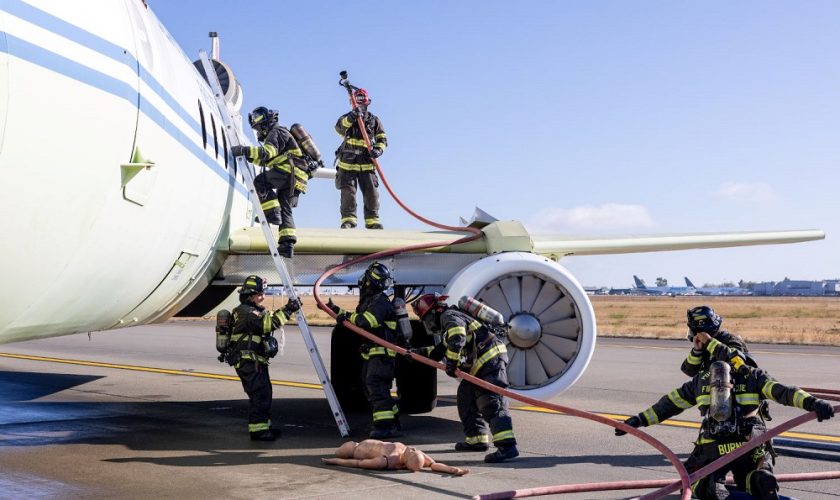
In the dynamic landscape of aviation, safety remains paramount, and the continuous enhancement of emergency response protocols is crucial for safeguarding passengers and crew alike. Aircraft emergency systems play a pivotal role in this endeavor, equipping modern airplanes with advanced technologies designed to mitigate risks and streamline crisis management during critical situations. From fire suppression systems and oxygen deployment mechanisms to automated alert systems and real-time data communication networks, these innovations are integral to the aviation industry’s commitment to safety. This article explores the multifaceted impact of aircraft emergency systems on aviation emergency response, highlighting how they not only enhance the efficiency and effectiveness of emergency procedures but also contribute to the overall resilience of the aviation ecosystem. By examining case studies, the latest technological advancements, and best practices in emergency preparedness, we will illustrate how these systems not only protect lives during emergencies but also foster a culture of safety and preparedness within the industry. As the aviation sector continues to evolve, understanding the significance of these emergency systems is essential for stakeholders committed to ensuring a secure travel experience for millions of passengers worldwide.
Overview of Aircraft Emergency Systems Functionality
Aircraft emergency systems are integral to ensuring the safety and operational integrity of an aircraft during critical situations. These systems encompass a wide range of functionalities, such as automatic fire detection and suppression, oxygen delivery systems for cabin pressure loss, and emergency lighting to facilitate safe evacuation in low-visibility scenarios. Each component is designed to respond to specific emergency conditions, providing both pilots and passengers with necessary resources to manage unexpected incidents.
In addition to these active safety measures, aircraft emergency systems are equipped with advanced monitoring and alerting capabilities that enable crews to assess situations quickly and make informed decisions. For instance, cockpit warning systems provide real-time data on system status and potential failures, allowing pilots to prioritize actions effectively. The redundancy built into these systems ensures that even in the event of a malfunction, alternative protocols can be activated to safeguard the aircraft and its occupants. Overall, the seamless integration and reliability of these systems are vital in enhancing the resilience of aviation operations during emergencies.
Enhancements in Aviation Emergency Response Protocols
Recent advancements in aircraft emergency systems have significantly bolstered the efficacy of emergency response protocols in aviation. These enhancements often include improved data analytics and integration with modern avionics, enabling a more streamlined approach to crisis management. The incorporation of artificial intelligence and machine learning algorithms allows for predictive maintenance, identifying potential issues before they escalate into emergencies. This proactive stance not only enhances safety but also aids in reducing aircraft downtime and operational costs.
Moreover, the evolution of communication technologies enables real-time data sharing between aircraft and ground control, ensuring that emergency responders are well-informed about the situation at hand. Enhanced training simulations for flight crews, incorporating these sophisticated systems, further prepare them for a variety of emergency scenarios. This comprehensive approach ensures that both pilots and cabin crew are equipped with the knowledge and tools necessary to manage incidents effectively, ultimately leading to improved passenger safety and confidence in air travel.
Future Developments in Emergency System Technology
ongoing innovations in aircraft emergency systems are poised to further transform aviation safety. The integration of blockchain technology is anticipated to enhance data integrity and security, providing an immutable record of aircraft systems and maintenance history. Such developments can facilitate more efficient audits and quicker responses during emergencies, as all relevant information is readily accessible and tamper-proof.
Additionally, advancements in connectivity, such as the implementation of 5G networks, will enable more robust and reliable communication channels between aircraft and emergency response teams. This connectivity will support high-definition video feeds and sensor data transmission, allowing ground teams to assess situations in real time and allocate resources more effectively. As these technologies converge, the resilience and responsiveness of aviation emergency systems will continue to improve, ultimately leading to safer skies and enhanced passenger confidence.
In conclusion, the advancements in aircraft emergency systems play a vital role in enhancing aviation emergency response protocols. By integrating cutting-edge technology and rigorous training programs, these systems not only improve the safety and efficiency of emergency procedures but also bolster the confidence of both crew and passengers during critical situations. As the aviation industry continues to evolve, ongoing investment in innovative emergency systems will be essential in mitigating risks and ensuring that airlines can respond swiftly and effectively to any unforeseen events. Ultimately, a proactive approach to emergency preparedness not only safeguards lives but also reinforces the overall integrity and reliability of air travel.